The Control Crisis: Are Gadgets Replacing Real-World Use of Force Training
Vancouver Police Department
Inspector Romolo Ranallo delivered a dynamic and candid presentation examining the evolving landscape of police use-of-force training, questioning whether modern policing has become overly reliant on technology at the expense of foundational physical skills. His central message was clear: while both “gadgets and guts” are necessary, an imbalance has developed, with increasing dependence on tools leading to potential gaps in officer readiness and decision-making in high-risk situations.
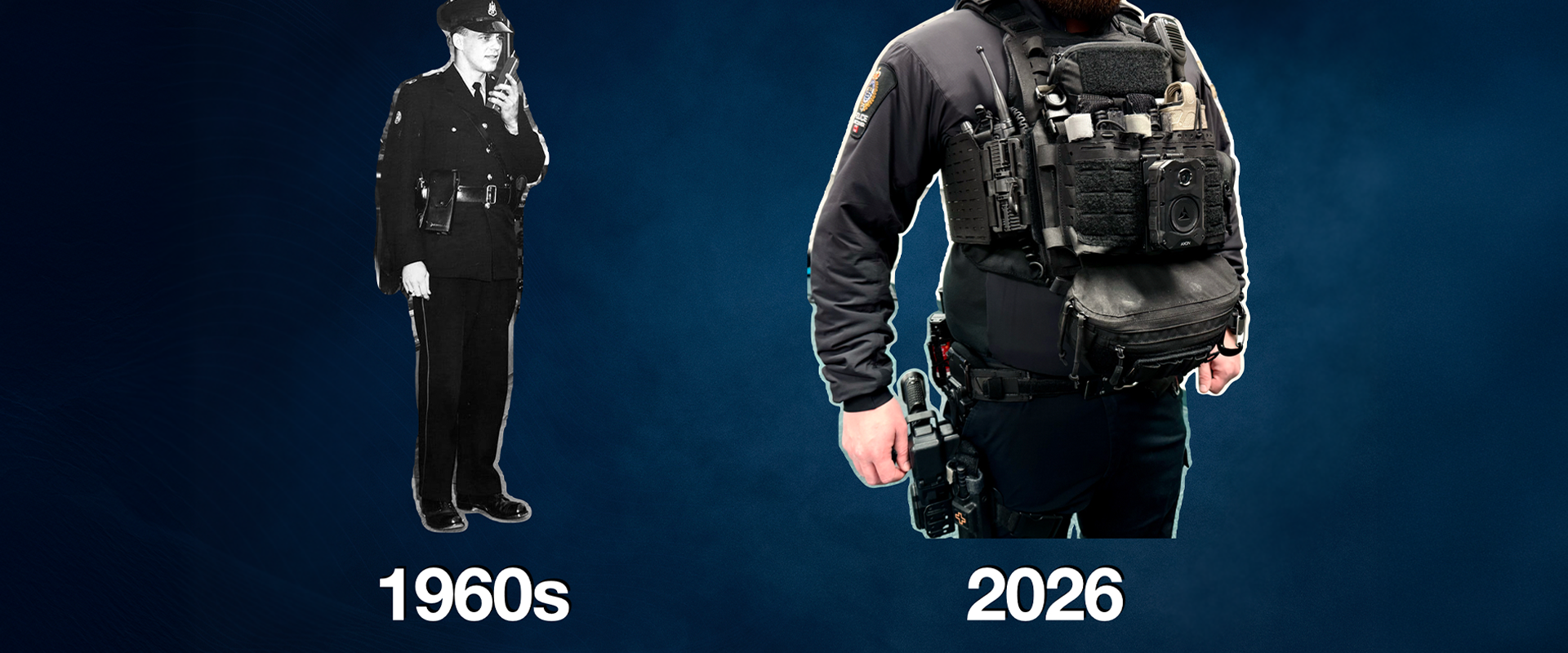
Tracing the historical evolution of use-of-force tools from the 1960s to today, Inspector Ranallo demonstrated how policing has steadily incorporated new technologies from batons and lateral neck restraints to OC spray, tasers, carbines, and now advanced tools such as wrap devices, drones, and virtual reality training systems. While each innovation was introduced to enhance officer and public safety, he argued that this steady influx of equipment has sometimes overshadowed the need for strong physical literacy – the ability to effectively control situations through movement, positioning, and hands-on skills.
Using key incidents such as the Rodney King case and the Vancouver Airport investigation, Inspector Ranallo highlighted how gaps in physical control at initial contact can escalate encounters unnecessarily. He noted that despite advances in de-escalation and crisis intervention training, these approaches are not universally applicable – particularly in rapidly evolving, life-threatening events such as active shooter scenarios, where immediate action is required. He cautioned against a one-size-fits-all approach and emphasized the importance of situational adaptability.
A significant portion of the discussion focused on the unintended consequences of gadget reliance. Inspector Ranallo argued that tools require proper integration, continuous training, and clear policy frameworks, yet officers may default to devices rather than foundational skills under stress. He introduced concepts such as SPRITE scenarios (structured training for threat recognition and response) and Vehicle Intervention Tactics (VIT) as examples of practical, skills-based approaches that complement technology. He also stressed the importance of evidence-based practices over anecdotal or untested methods and what he referred to as avoiding “MSU” (making stuff up).
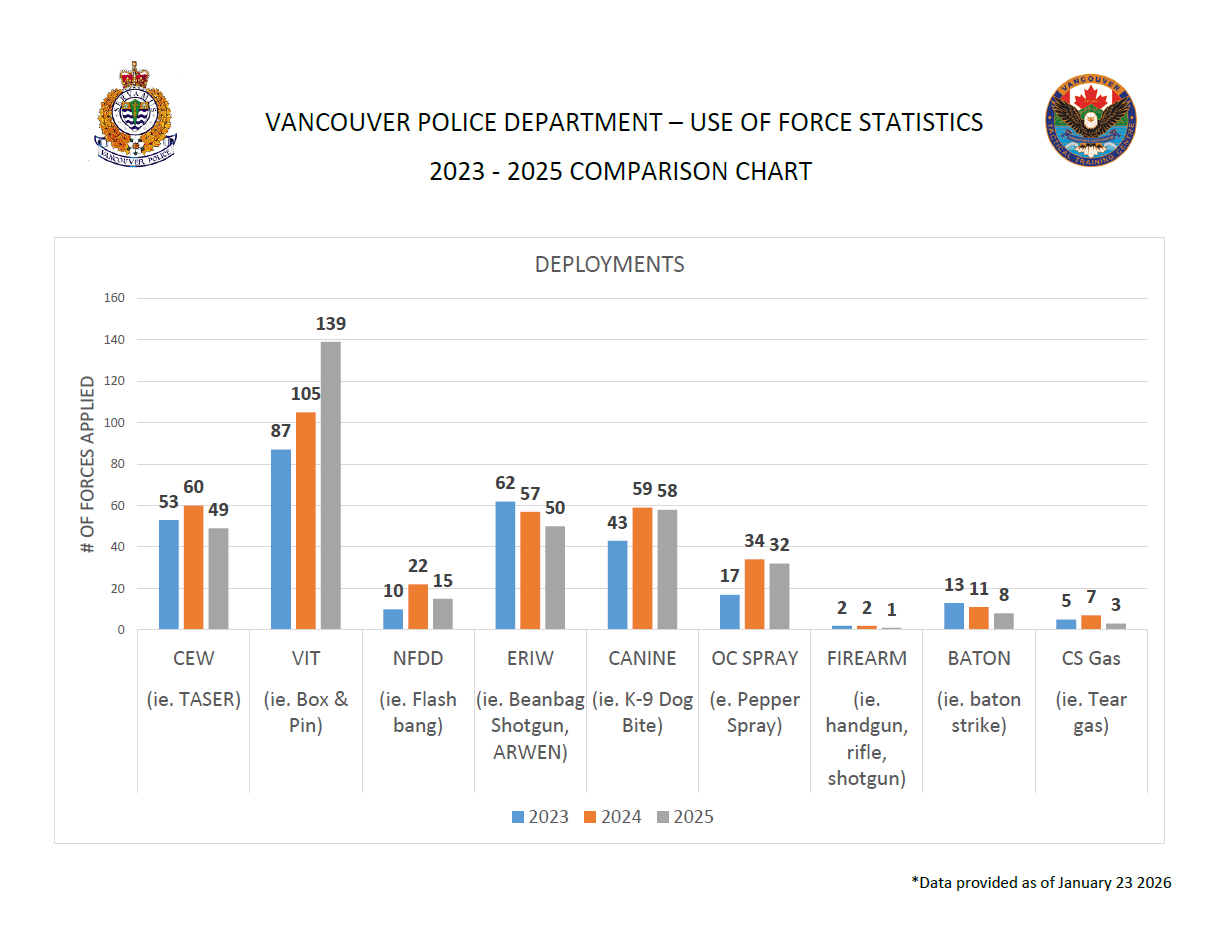
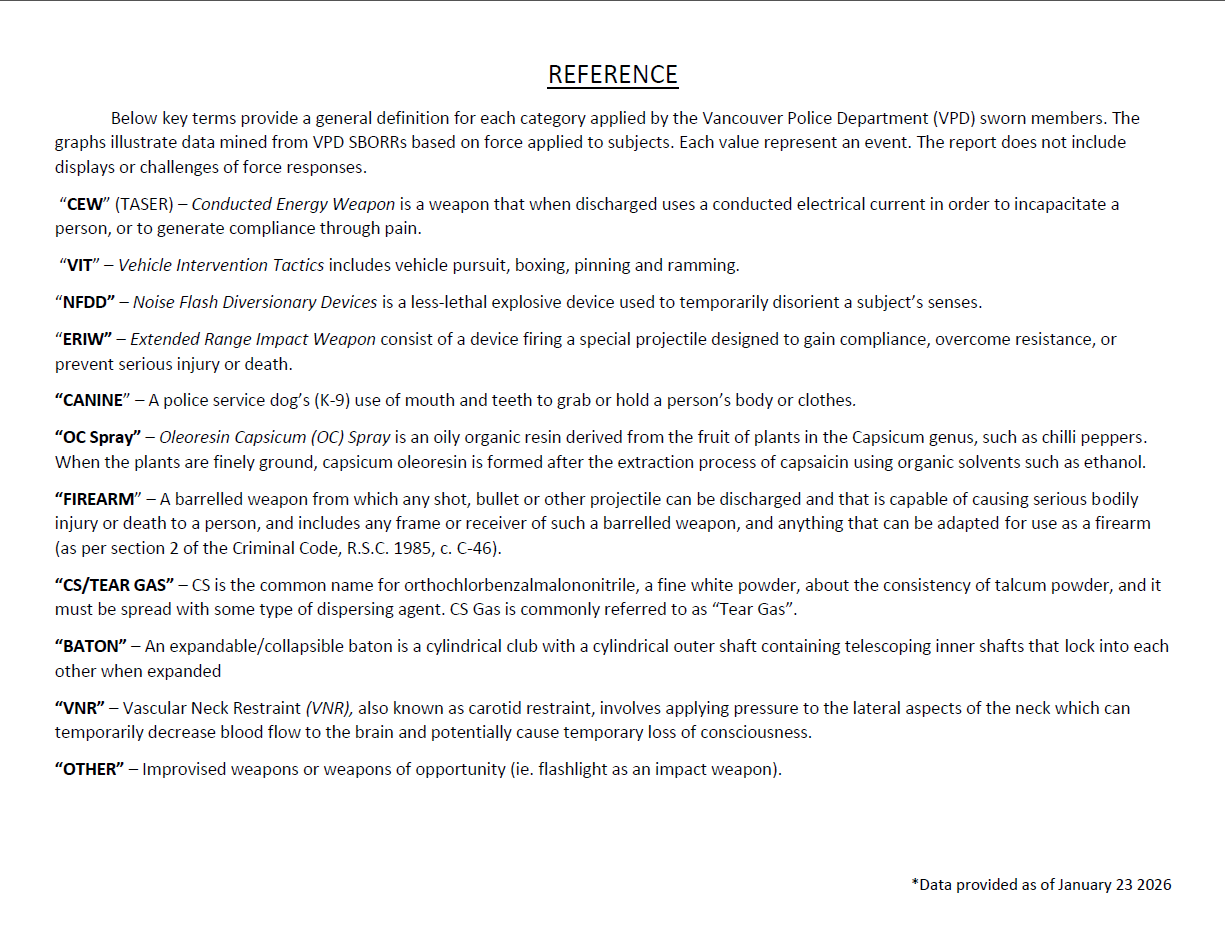
Looking ahead, Inspector Ranallo explored emerging technologies, including drones and robotics, acknowledging their potential benefits but stressing the need for robust governance, training, and clarity in their deployment. He raised important questions about the future of policing, including the idea of two-tiered roles: officers specializing in physical interventions versus those focused on other policing functions and whether current education systems adequately prepare recruits with the physical competencies required for frontline work.
Ultimately, his presentation served as a call to rebalance police training by reinvesting in physical literacy alongside technological advancement. He challenged agencies to critically evaluate their approaches, ensure that officers are equipped not just with tools, but with the skills and judgment to use them effectively, and to maintain a policing model that prioritizes capability, adaptability, and officer confidence in real-world interactions.