Posts by Amanda Wong
JIBC RIX Building Upgrades
JIBC RIX Building Upgrades

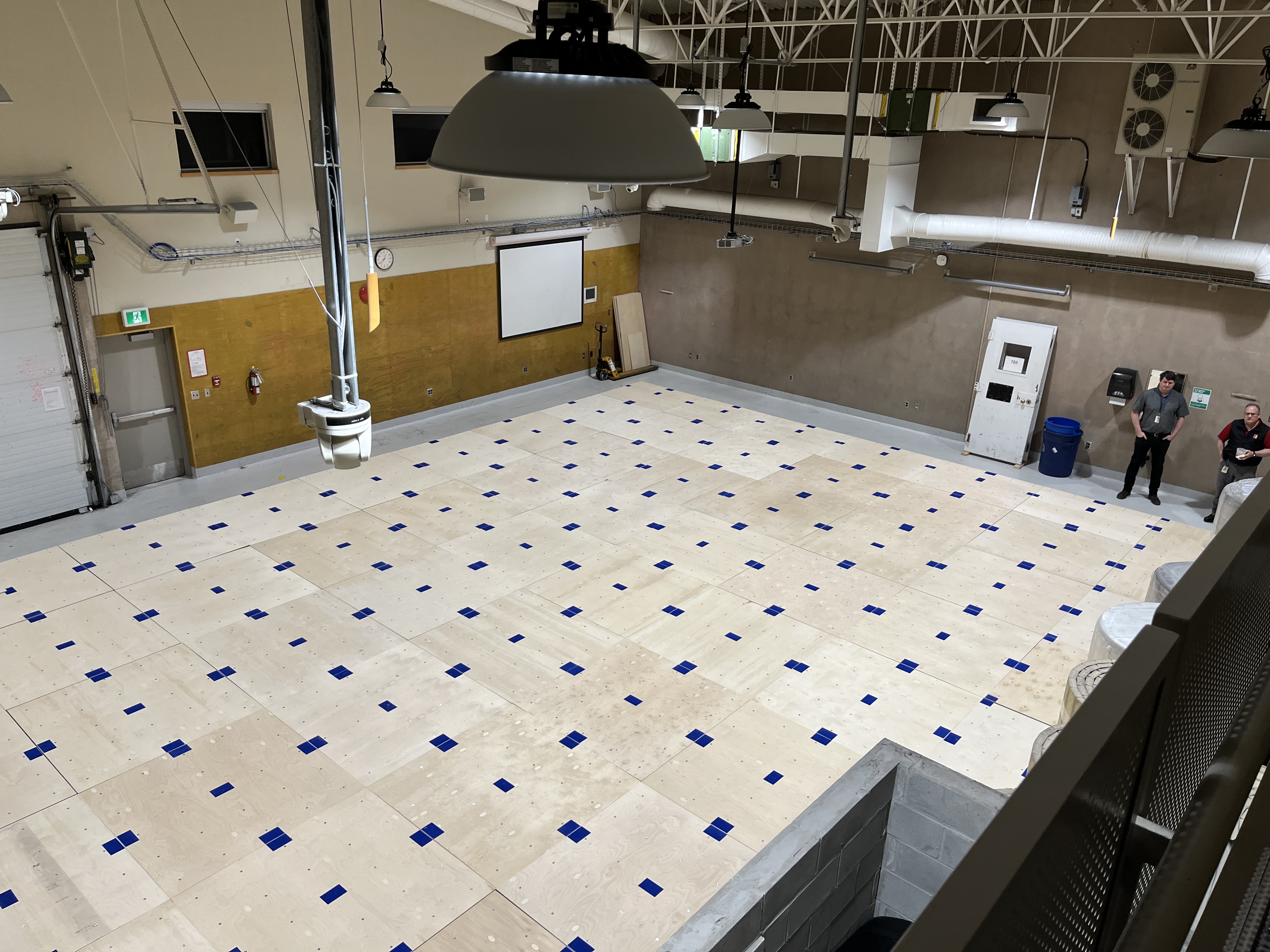


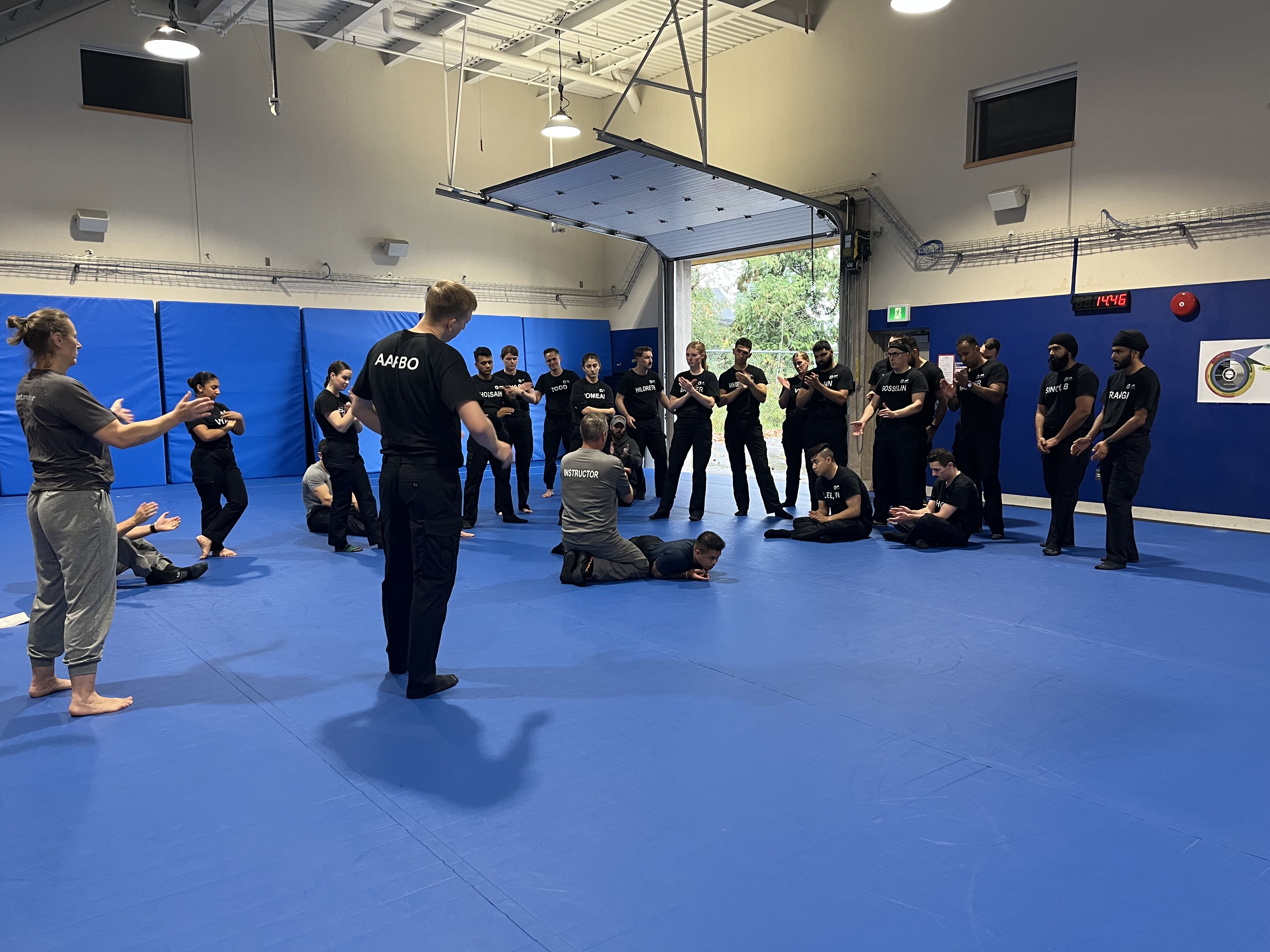
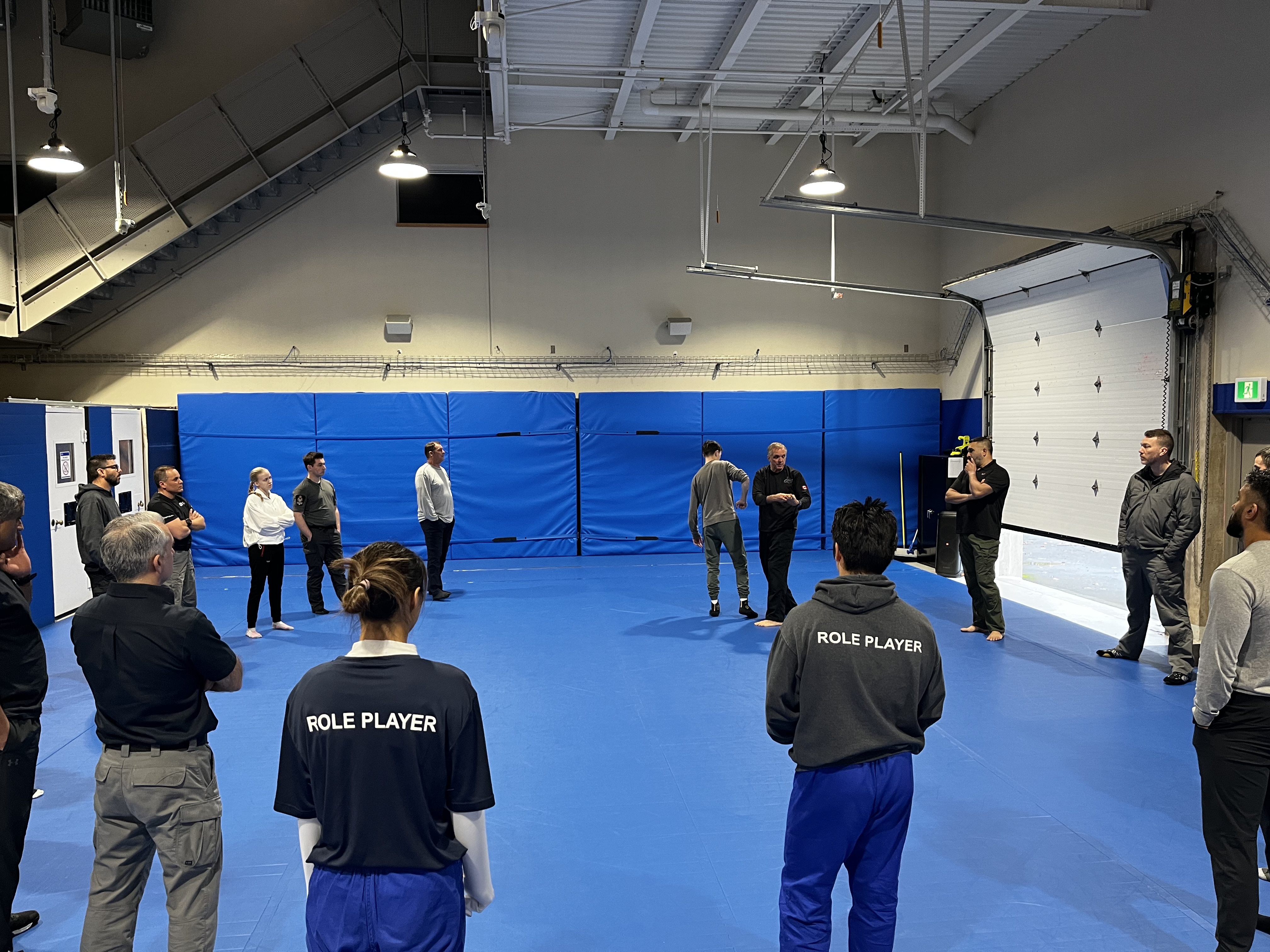
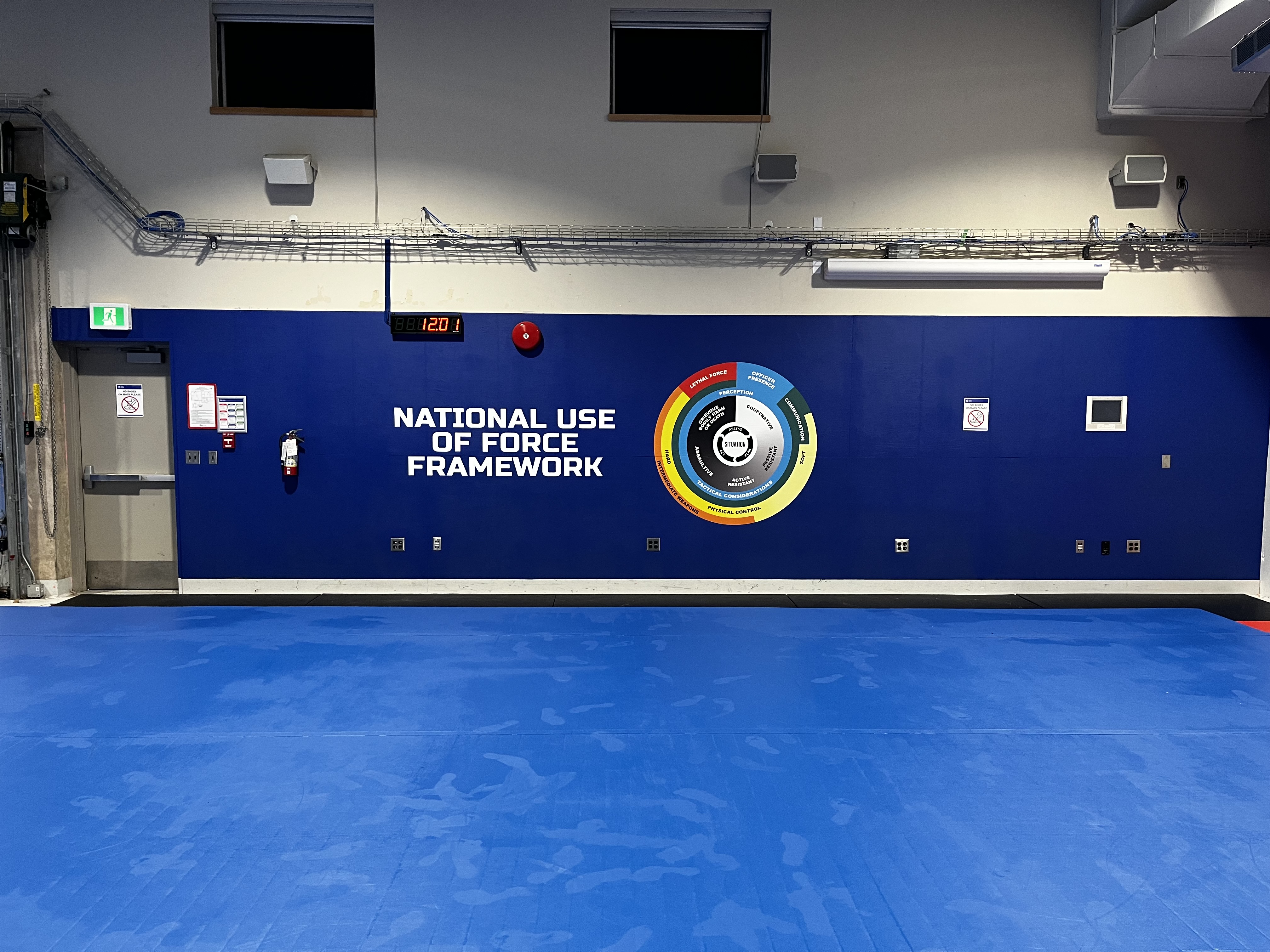
Donald B. Rix Public Safety Simulation Building
Justice Institute of British Columbia (JIBC)
The Rix Family Foundation generously provided the Donald B. Rix Theatre and training room, a standalone facility located on the JIBC’s New Westminster campus and now operating within the Police Academy footprint. With the support of Police Academy Director Jennifer Keyes and two years of dedicated work, the space was completely overhauled and transformed into a specialized training hall for recruits.
In collaboration with JIBC Facilities, particularly Julie Brown and Dave Atchinson, a series of upgrades were made to the space, including the installation of a sprung floor, upgraded audiovisual capabilities, and additional facility improvements. Today, we have become the leading-edge physical skills training floor for any police academy in Canada.
We are deeply grateful to the Rix Family Foundation for their generosity. Their contribution continues to have a lasting impact, with hundreds of recruits benefiting each year as this gift is continually paid forward through training and service.
Competency-Based Management Framework for Canadian Policing
Competency-Based Management Framework for Canadian Policing
Director of Outreach and Communications |
Canadian Police Knowledge
Network (CPKN)
Under the leadership of Dominic Mallett, Innovation Advisor, Department of Innovation, CPKN; Dr. Angela Ripley, Organizational Psychologist and Education Consultant; and in collaboration with the Competencies Subcommittee of CPKN’s National Advisory Committee, this modernization marks a vital advancement in aligning police competencies with the evolving landscape in society.
Originally developed by the Police Sector Council in 2013, the CBMF has not been revised until this year. Due to a growing need from police services across Canada, this comprehensive review ensured the framework remained relevant, accurate, effective, and reflective of contemporary needs within Canadian policing. The updated CBMF now comprises 22 core competencies, a reduction from the initial 52. It has been reorganized into two primary areas: Personal Skills and Leadership Skills, which are further subdivided into six domains, each encapsulating specific core competencies.
Read the CPKN article here.
Read the full report here.
Applied Research for Safer Communities
Applied Research for Safer Communities
President's Applied Research Chair |
CPSAR
The Centre for Public Safety Applied Research (CPSAR) at Lethbridge Polytechnic collaborates with over 43 justice-sector partners to address public safety challenges through applied research. With over 17 active faculty researchers, CPSAR supports evidence-based practices, student engagement, and community resilience. CPSAR projects span policing, corrections, and courts, integrating Indigenous knowledge and virtual reality tools. CPSAR fosters innovation across public safety, emphasizing real-world impact, industry collaboration, and experiential learning to advance social, technological, and environmental solutions.
JIBC Synthetic Media Course
JIBC Synthetic Media Course
Advanced Police Training |
Justice Institute of British Columbia
The first of its kind in Canada, this course equips law enforcement professionals with the knowledge, skills, and tools to identify, investigate, and mitigate crimes involving Artificial Intellifence (AI)-generated content.
Participants begin with foundational awareness, exploring synthetic media technologies (e.g., GANs, voice cloning) and their criminal applications, from fraud to disinformation. Through hands-on exercises, they gain proficiency with detection techniques-spotting visual and auditory cues, using forensic tools, and critiquing AI-based detectors. The course dives into investigative strategies, emphasizing evidence collection, chain of custody, and Canadian legal frameworks, with real-world case studies (e.g., deepfake scams) tailored to participants' roles. Mitigation strategies, interagency collaboration, and emerging trends round out the training, empowering officers to proactively address synthetic media threats.
Designed for police officers and police department civilian crime analysts and IT specialists, this course blends theory with practical application, ensuring relevance to diverse law enforcement domains. By course end, participants will confidently tackle synthetic media challenges, leveraging JIBC resources and relevant insights.
See the JIBC course page here.
Exposures to Potentially Traumatic Events Among Public Safety Personnel in Canada
Exposures to Potentially Traumatic Events Among Public Safety Personnel in Canada
Canadian Journal of Behavioural Science
DOI: 10.1037/cbs0000115
Abstract:
Canadian Public Safety Personnel (e.g., correctional workers, dispatchers, firefighters, paramedics, and police) are regularly exposed to potentially traumatic events, some of which are highlighted as critical incidents warranting additional resources. Unfortunately, available Canadian public safety personnel data measuring associations between potentially traumatic events and mental health remains sparse. The current research quantifies estimates for diverse event exposures within and between several categories of public safety personnel. Participants were 4,441 public safety personnel (31.7% women) in 1 of 6 categories (i.e., dispatchers, correctional workers, firefighters, municipal/provincial police, paramedics, and Royal Canadian Mounted Police). Participants reported exposures to diverse events including sudden violent (93.8%) or accidental deaths (93.7%), serious transportation accidents (93.2%), and physical assaults (90.6%), often 11+ times per event. There were significant relationships between potentially traumatic event exposures and all mental disorders. Sudden violent death and severe human suffering appeared particularly related to mental disorder symptoms, and therein potentially defensible as critical incidents. The current results offer initial evidence that (a) potentially traumatic event exposures are diverse and frequent among diverse Canadian public safety personnel; (b) many different types of exposure can be associated with mental disorders; (c) event exposures are associated with diverse mental disorders, including but not limited to posttraumatic stress disorder, and mental disorder screens would be substantially reduced in the absence of exposures; and (d) population attributable fractions indicated a substantial reduction in positive mental disorder screens (i.e., between 29.0 and 79.5%) if all traumatic event exposures were eliminated among Canadian public safety personnel.
Read the full report here.
Mental health training, attitudes toward support, and screening positive for mental disorders
Mental health training, attitudes toward support, and screening positive for mental disorders
Cognitive Behaviour Therapy
DOI: 10.1080/16506073.2019.1575900
Abstract:
Public Safety Personnel (PSP; e.g. correctional workers, dispatchers, firefighters, paramedics, police) are frequently exposed to potentially traumatic events (PTEs). Several mental health training program categories (e.g. critical incident stress management (CISM), debriefing, peer support, psychoeducation, mental health first aid, Road to Mental Readiness [R2MR]) exist as efforts to minimize the impact of exposures, often using cognitive behavioral therapy model content, but with limited effectiveness research. The current study assessed PSP perceptions of access to professional (i.e. physicians, psychologists, psychiatrists, employee assistance programs, chaplains) and non-professional (i.e. spouse, friends, colleagues, leadership) support, and associations between training and mental health. Participants included 4,020 currently serving PSP participants. Data were analyzed using cross-tabulations and logistic regressions. Most PSP reported access to professional and non-professional support; nevertheless, most would first access a spouse (74%) and many would never, or only as a last resort, access professional support (43–60%) or PSP leaders (67%). Participation in any mental health training category was associated with lower (p < .01) rates for some, but not all, mental disorders, with no robust differences across categories. Revisions to training programs may improve willingness to access professional support; in the interim, training and support for PSP spouses and leaders may also be beneficial.
Read the full report here.
APEC: A Modernized, In Class Approach to Developing Police Educators
APEC: A Modernized, In‑Class Approach to Developing Police Educators
Course
Coordinator |
Ontario Police College
The Ontario Police College (OPC) has introduced the Applied Police Educator Course (APEC)—a fully redesigned program that now serves as the foundational training for officers seeking to become police educators in their services or progress into OPC’s certified specialty trainer courses. APEC replaces the former Facilitating and Assessing Police Learning (FAPL) course and represents a significant evolution in police educator development across Ontario.
A Thoughtful Redesign Informed by Stakeholder Feedback
The transition from FAPL to APEC was driven directly by feedback from police stakeholders across the province. While FAPL utilized a six‑week blended model—five weeks online followed by one week in person—stakeholders consistently expressed a preference for a course offered entirely in person, emphasizing the importance of hands‑on practice, peer collaboration, and real-time facilitation experience.
In response, Dr. Carolyn Fraser, who assumed leadership of the original FAPL portfolio, undertook a full redesign of the course. Her work ensured that the updated program reflected stakeholder needs while integrating modern educational best practices specific to law enforcement training environments. The result is APEC: an intensive, nine‑day, fully in‑class program that balances theory, experiential learning, and practical assessment.
A Comprehensive, Practice‑Focused Course Experience
APEC prepares aspiring police trainers by equipping them with advanced skills in facilitation, instructional design, assessment, and learner-centered teaching. The program blends educational theory with applied practice to ensure participants can confidently design and deliver effective police training.
Delivery Format Includes:
- In‑class lectures
- Collaborative and problem-based learning
- Practical teaching and facilitation scenarios
- Lesson plan development
- Structured assessments and feedback
Core Lesson Areas
Participants explore a wide range of essential topics critical to modern police education:
- Learning and Memory: Strategies for Police Training
- Basic Instructional System Design using the I‑ADDIE Model
- Writing Effective Learning Objectives
- Writing and Preparing Lesson Plans
- Instructional Methods and Techniques
- Facilitating Learning Activities
- Effective Presentation Skills & Classroom Management
- Facilitating and Assessing Practical Scenarios
- Assessing Learning: Measuring Understanding and Impact
- Multi-Media Instruction
- Conducting Course Evaluations and Surveys
- Professional Practice and Ethical Police Training
- Developing a Teaching Philosophy
- Police Trainer as Leader
A New Standard for Police Educator Development
By replacing the previous FAPL program, APEC establishes a refreshed and more robust standard for police educator training. Its fully in‑person delivery model directly addresses stakeholder needs and supports more effective instructor development through immersive learning and hands‑on practice.
As police educators continue to shape the next generation of officers, APEC ensures they are prepared with the knowledge, skills, and professional mindset required to lead with competence and confidence in today’s policing landscape.
CPKN Releases 2025 Annual Literature Review: Highlighting Key Trends in Policing
CPKN Releases 2025 Annual Literature Review Highlighting Key Trends in Policing
Communications Coordinator |
Canadian Police Knowledge
Network (CPKN)
The Canadian Police Knowledge Network (CPKN) has published its 2025 Annual Literature Review, offering a comprehensive, evidence-based summary of the trends shaping police education and professional development in Canada and the United States.
Four key themes are identified in this review: mental health and wellness, police militarization and use of force, the impact of social media on police-public interactions, and the integration of emerging technologies. Using open-access research from 2024, this review offers valuable insights to help shape training, policy, and leadership decisions.
Read the CPKN article here.
Read the full report here.
Equity Forward: Advancing Inclusion and Anti-Oppression Training in Policing

Equity Forward: Advancing Inclusion and Anti-Oppression Training in Policing
Program Coordinator | Police Foundations
Georgian College
Visible minorities in Canada often distrust the criminal justice system due to continued overt, covert and systemic racism. In particular, police are felt to target them unjustifiably (Ungerleider & McGregor, 1993). Continued incidents of police brutality and discrimination against minority groups have raised concerns about the need for further training and questioned the adequacy of police training programs (Andersen et al., 2023; Idoko, 2024). Despite the recent focus on effectively policing diverse communities, there is a paucity of research on the types of diversity programs and their effectiveness in improving police-community relations in Canada.
This research project aims to expand on the limited research available on diversity training in Canadian police services by working closely with two police services in Ontario to address their needs. The goals are to identify the main issues in their communities concerning policecommunity relationships, develop inclusion and anti-oppression training, and assess its effectiveness over time. This three-year project will utilize a sequential mixed methods design. This study seeks to work closely with two police services, which are both forward-thinking and innovative organizations, to identify critical concerns in their
communities as they relate to police-community relations, to develop an IATP customized to their communities' specific needs and to assess its effectiveness over time. Our research project has the potential to significantly impact, and drive innovation related to diversity training programs for police officers in Canada.
Read the Georgian College article here.
(Ret.) Chief Bob Rich

C.A.P.E. 2026 Conference
Policing the Future: What's Important Now
Keeping Members Well - Preventing PTSD
Bob joined the Vancouver Police Department (VPD) in 1980, where he worked for 28 years.
During his time at the VPD, he held a number of positions, including:
- Detective
- Professional Standards Investigator
- Patrol sergeant in the Downtown Eastside
- Surveillance team Sergeant in the Downtown Eastside
- President of the Vancouver Police Union
- Head of Training and Recruiting
- Head of Human Resources
- Commander of District 2, which includes the Downtown Eastside
- Deputy Chief of Operations
In 2008, Bob left the VPD to become the Chief Constable of the Abbotsford Police Department (APD), a position he held until 2018. During his time at APD, much of his work focused on suppressing gang violence and supporting member’s mental health.
During his time in leadership positions, he has focused on change management to improve policing procedures, prevent crime, and increase safety for the community.
From 2021 to 2024, he worked as an associate counsel at the law firm of Wilson Butcher, helping to defend police officers from both criminal and disciplinary allegations. Currently, he is doing consulting work for police agencies and other organizations.
Bob also teaches workshops on police leadership and preventing mental health disorders caused by the work first responders do. In 2025, he launched a free website devoted to that topic which can be found at: bobrich.ca
He has been awarded the Officer of the Order of Merit for the Police Forces in Canada (O.O.M.).