Research
Competency-Based Management Framework for Canadian Policing
Competency-Based Management Framework for Canadian Policing
Director of Outreach and Communications |
Canadian Police Knowledge
Network (CPKN)
Under the leadership of Dominic Mallett, Innovation Advisor, Department of Innovation, CPKN; Dr. Angela Ripley, Organizational Psychologist and Education Consultant; and in collaboration with the Competencies Subcommittee of CPKN’s National Advisory Committee, this modernization marks a vital advancement in aligning police competencies with the evolving landscape in society.
Originally developed by the Police Sector Council in 2013, the CBMF has not been revised until this year. Due to a growing need from police services across Canada, this comprehensive review ensured the framework remained relevant, accurate, effective, and reflective of contemporary needs within Canadian policing. The updated CBMF now comprises 22 core competencies, a reduction from the initial 52. It has been reorganized into two primary areas: Personal Skills and Leadership Skills, which are further subdivided into six domains, each encapsulating specific core competencies.
Read the CPKN article here.
Read the full report here.
Applied Research for Safer Communities
Applied Research for Safer Communities
President's Applied Research Chair |
CPSAR
The Centre for Public Safety Applied Research (CPSAR) at Lethbridge Polytechnic collaborates with over 43 justice-sector partners to address public safety challenges through applied research. With over 17 active faculty researchers, CPSAR supports evidence-based practices, student engagement, and community resilience. CPSAR projects span policing, corrections, and courts, integrating Indigenous knowledge and virtual reality tools. CPSAR fosters innovation across public safety, emphasizing real-world impact, industry collaboration, and experiential learning to advance social, technological, and environmental solutions.
Exposures to Potentially Traumatic Events Among Public Safety Personnel in Canada
Exposures to Potentially Traumatic Events Among Public Safety Personnel in Canada
Canadian Journal of Behavioural Science
DOI: 10.1037/cbs0000115
Abstract:
Canadian Public Safety Personnel (e.g., correctional workers, dispatchers, firefighters, paramedics, and police) are regularly exposed to potentially traumatic events, some of which are highlighted as critical incidents warranting additional resources. Unfortunately, available Canadian public safety personnel data measuring associations between potentially traumatic events and mental health remains sparse. The current research quantifies estimates for diverse event exposures within and between several categories of public safety personnel. Participants were 4,441 public safety personnel (31.7% women) in 1 of 6 categories (i.e., dispatchers, correctional workers, firefighters, municipal/provincial police, paramedics, and Royal Canadian Mounted Police). Participants reported exposures to diverse events including sudden violent (93.8%) or accidental deaths (93.7%), serious transportation accidents (93.2%), and physical assaults (90.6%), often 11+ times per event. There were significant relationships between potentially traumatic event exposures and all mental disorders. Sudden violent death and severe human suffering appeared particularly related to mental disorder symptoms, and therein potentially defensible as critical incidents. The current results offer initial evidence that (a) potentially traumatic event exposures are diverse and frequent among diverse Canadian public safety personnel; (b) many different types of exposure can be associated with mental disorders; (c) event exposures are associated with diverse mental disorders, including but not limited to posttraumatic stress disorder, and mental disorder screens would be substantially reduced in the absence of exposures; and (d) population attributable fractions indicated a substantial reduction in positive mental disorder screens (i.e., between 29.0 and 79.5%) if all traumatic event exposures were eliminated among Canadian public safety personnel.
Read the full report here.
Mental Health Training, Attitudes Toward Support, and Screening Positive for Mental Disorders
Mental health training, attitudes toward support, and screening positive for mental disorders
Cognitive Behaviour Therapy
DOI: 10.1080/16506073.2019.1575900
Abstract:
Public Safety Personnel (PSP; e.g. correctional workers, dispatchers, firefighters, paramedics, police) are frequently exposed to potentially traumatic events (PTEs). Several mental health training program categories (e.g. critical incident stress management (CISM), debriefing, peer support, psychoeducation, mental health first aid, Road to Mental Readiness [R2MR]) exist as efforts to minimize the impact of exposures, often using cognitive behavioral therapy model content, but with limited effectiveness research. The current study assessed PSP perceptions of access to professional (i.e. physicians, psychologists, psychiatrists, employee assistance programs, chaplains) and non-professional (i.e. spouse, friends, colleagues, leadership) support, and associations between training and mental health. Participants included 4,020 currently serving PSP participants. Data were analyzed using cross-tabulations and logistic regressions. Most PSP reported access to professional and non-professional support; nevertheless, most would first access a spouse (74%) and many would never, or only as a last resort, access professional support (43–60%) or PSP leaders (67%). Participation in any mental health training category was associated with lower (p < .01) rates for some, but not all, mental disorders, with no robust differences across categories. Revisions to training programs may improve willingness to access professional support; in the interim, training and support for PSP spouses and leaders may also be beneficial.
Read the full report here.
APEC: A Modernized, In Class Approach to Developing Police Educators
APEC: A Modernized, In‑Class Approach to Developing Police Educators
Course
Coordinator |
Ontario Police College
The Ontario Police College (OPC) has introduced the Applied Police Educator Course (APEC)—a fully redesigned program that now serves as the foundational training for officers seeking to become police educators in their services or progress into OPC’s certified specialty trainer courses. APEC replaces the former Facilitating and Assessing Police Learning (FAPL) course and represents a significant evolution in police educator development across Ontario.
A Thoughtful Redesign Informed by Stakeholder Feedback
The transition from FAPL to APEC was driven directly by feedback from police stakeholders across the province. While FAPL utilized a six‑week blended model—five weeks online followed by one week in person—stakeholders consistently expressed a preference for a course offered entirely in person, emphasizing the importance of hands‑on practice, peer collaboration, and real-time facilitation experience.
In response, Dr. Carolyn Fraser, who assumed leadership of the original FAPL portfolio, undertook a full redesign of the course. Her work ensured that the updated program reflected stakeholder needs while integrating modern educational best practices specific to law enforcement training environments. The result is APEC: an intensive, nine‑day, fully in‑class program that balances theory, experiential learning, and practical assessment.
A Comprehensive, Practice‑Focused Course Experience
APEC prepares aspiring police trainers by equipping them with advanced skills in facilitation, instructional design, assessment, and learner-centered teaching. The program blends educational theory with applied practice to ensure participants can confidently design and deliver effective police training.
Delivery Format Includes:
- In‑class lectures
- Collaborative and problem-based learning
- Practical teaching and facilitation scenarios
- Lesson plan development
- Structured assessments and feedback
Core Lesson Areas
Participants explore a wide range of essential topics critical to modern police education:
- Learning and Memory: Strategies for Police Training
- Basic Instructional System Design using the I‑ADDIE Model
- Writing Effective Learning Objectives
- Writing and Preparing Lesson Plans
- Instructional Methods and Techniques
- Facilitating Learning Activities
- Effective Presentation Skills & Classroom Management
- Facilitating and Assessing Practical Scenarios
- Assessing Learning: Measuring Understanding and Impact
- Multi-Media Instruction
- Conducting Course Evaluations and Surveys
- Professional Practice and Ethical Police Training
- Developing a Teaching Philosophy
- Police Trainer as Leader
A New Standard for Police Educator Development
By replacing the previous FAPL program, APEC establishes a refreshed and more robust standard for police educator training. Its fully in‑person delivery model directly addresses stakeholder needs and supports more effective instructor development through immersive learning and hands‑on practice.
As police educators continue to shape the next generation of officers, APEC ensures they are prepared with the knowledge, skills, and professional mindset required to lead with competence and confidence in today’s policing landscape.
Mental Health and Well-being of Forgotten First Responders in Canada
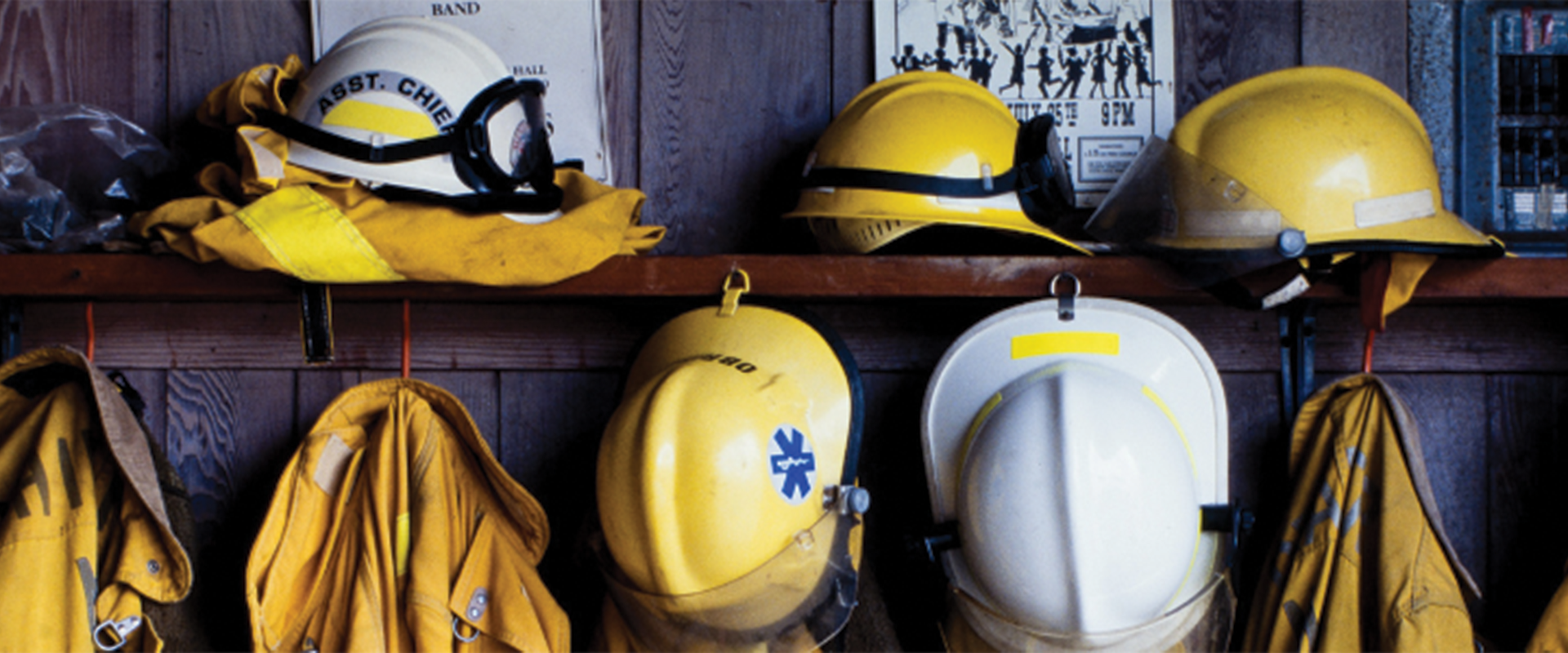
Mental Health and Well-being of Forgotten First Responders in Canada
Principal Investigator |
Victimology Research Centre
CPKN Releases 2025 Annual Literature Review: Highlighting Key Trends in Policing
CPKN Releases 2025 Annual Literature Review Highlighting Key Trends in Policing
Communications Coordinator |
Canadian Police Knowledge
Network (CPKN)
The Canadian Police Knowledge Network (CPKN) has published its 2025 Annual Literature Review, offering a comprehensive, evidence-based summary of the trends shaping police education and professional development in Canada and the United States.
Four key themes are identified in this review: mental health and wellness, police militarization and use of force, the impact of social media on police-public interactions, and the integration of emerging technologies. Using open-access research from 2024, this review offers valuable insights to help shape training, policy, and leadership decisions.
Read the CPKN article here.
Read the full report here.
Causes and Prevention of Criminal Investigative Failures: Looking Back to Face Forward

Causes and Prevention of Criminal Investigative Failures: Looking Back to Face Forward
Professor & Director of the Center for Geospatial Intelligence and Investigation | Texas State University
Dr. Kim Rossmo’s presentation provided a critical and thought-provoking examination of criminal investigative failures, with a strong grounding in the context of Missing and Murdered Indigenous Women and Girls (MMIWG) cases. He emphasized that investigative failures are not isolated incidents, but often systemic, stemming from flawed thinking, missed learning opportunities, and organizational pressures. These failures manifest in ignored crimes, unsolved cases, and wrongful convictions – each carrying profound consequences for individuals and public trust in policing.
Drawing on research and data, Dr. Rossmo highlighted the prevalence and causes of wrongful convictions. In the United States, an estimated 1–5% of homicide and sexual assault cases involve wrongful convictions. The Innocence Project, for example, has documented over 205 DNA-based exonerations, with individuals spending an average of 14 years in prison, with approximately 70% of whom are minorities. He outlined the primary contributing factors: false confessions, unreliable informants, flawed forensic practices, eyewitness errors, and broader investigative mistakes. While these tools; witness testimony, confessions, and physical evidence, are essential to solving crimes, they each carry inherent risks that must be carefully managed.
A central theme of the presentation was the danger of cognitive biases and flawed reasoning in investigations. Dr. Rossmo explained how confirmation bias, tunnel vision, and reliance on cognitive shortcuts (heuristics) can lead investigators to prematurely fixate on a suspect or interpretation of evidence. He stressed the importance of moving away from black-and-white thinking and recognizing that assumptions can quickly become treated as fact. Probability language such as “likely,” “reasonable,” or “cannot be excluded”, can further compound errors, especially when misunderstood or misapplied. He also discussed how individuals are prone to seeing patterns in randomness (pareidolia), reinforcing false conclusions.
Beyond individual decision-making, Dr. Rossmo examined organizational factors that contribute to investigative failures. Policing structures – often hierarchical and semi-military, can foster groupthink, discourage dissent, and amplify the influence of dominant personalities. Combined with operational pressures, fatigue, and the urgency of high-stakes cases, these conditions can impair critical thinking and lead to rushed or flawed decisions. Policies, supervision, and structured review processes were presented as essential safeguards to mitigate these risks.
Finally, Dr. Rossmo underscored the importance of context when interpreting evidence, particularly DNA, and referenced research from the National Institute of Justice and case studies such as the David Camm investigation to illustrate real-world consequences. His presentation ultimately called for a more reflective, evidence-informed approach to investigations; one that prioritizes critical thinking, acknowledges human fallibility, and actively works to prevent error. By learning from past failures, policing can better position itself to deliver fair, accurate, and just outcomes in the future.
The Control Crisis: Are Gadgets Replacing Real-World Use of Force Training
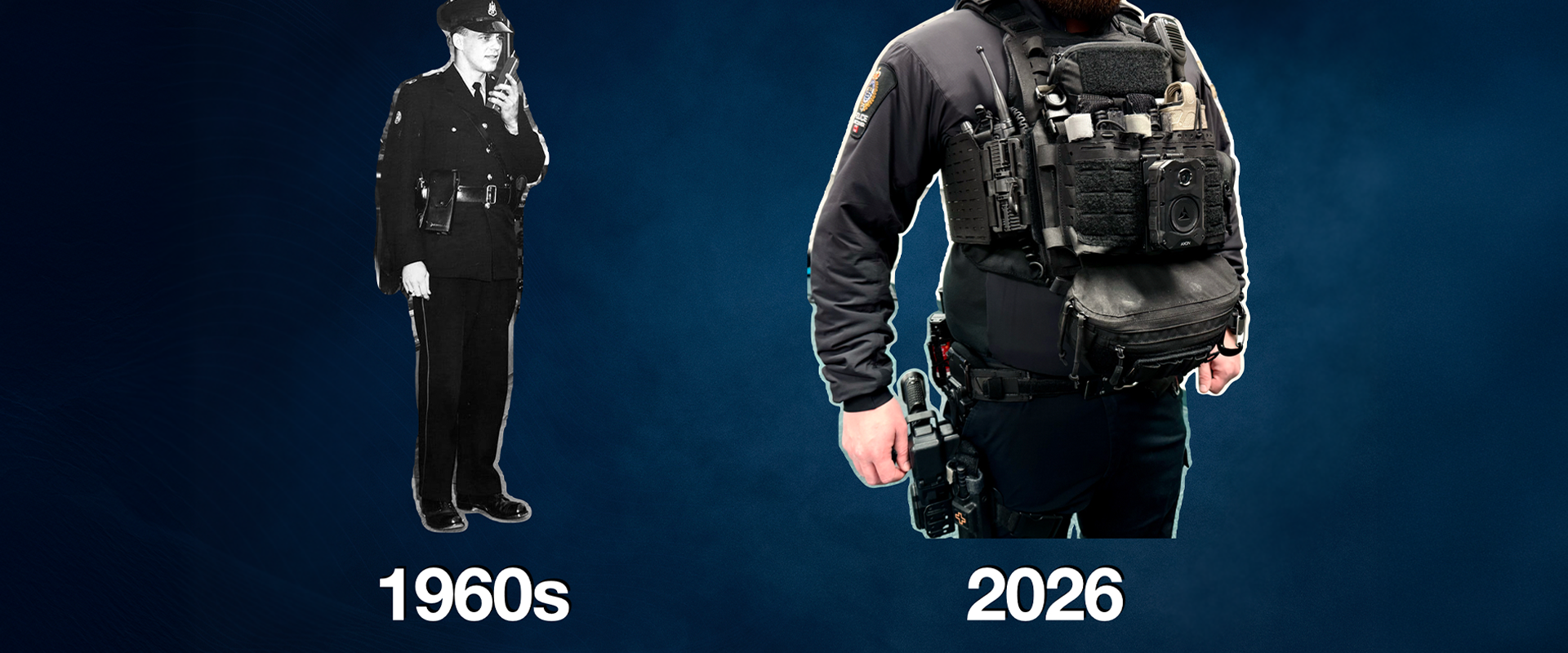
The Control Crisis: Are Gadgets Replacing Real-World Use of Force Training
Vancouver Police Department
Inspector Romolo Ranallo delivered a dynamic and candid presentation examining the evolving landscape of police use-of-force training, questioning whether modern policing has become overly reliant on technology at the expense of foundational physical skills. His central message was clear: while both “gadgets and guts” are necessary, an imbalance has developed, with increasing dependence on tools leading to potential gaps in officer readiness and decision-making in high-risk situations.
Tracing the historical evolution of use-of-force tools from the 1960s to today, Inspector Ranallo demonstrated how policing has steadily incorporated new technologies from batons and lateral neck restraints to OC spray, tasers, carbines, and now advanced tools such as wrap devices, drones, and virtual reality training systems. While each innovation was introduced to enhance officer and public safety, he argued that this steady influx of equipment has sometimes overshadowed the need for strong physical literacy – the ability to effectively control situations through movement, positioning, and hands-on skills.
Using key incidents such as the Rodney King case and the Vancouver Airport investigation, Inspector Ranallo highlighted how gaps in physical control at initial contact can escalate encounters unnecessarily. He noted that despite advances in de-escalation and crisis intervention training, these approaches are not universally applicable – particularly in rapidly evolving, life-threatening events such as active shooter scenarios, where immediate action is required. He cautioned against a one-size-fits-all approach and emphasized the importance of situational adaptability.
A significant portion of the discussion focused on the unintended consequences of gadget reliance. Inspector Ranallo argued that tools require proper integration, continuous training, and clear policy frameworks, yet officers may default to devices rather than foundational skills under stress. He introduced concepts such as SPRITE scenarios (structured training for threat recognition and response) and Vehicle Intervention Tactics (VIT) as examples of practical, skills-based approaches that complement technology. He also stressed the importance of evidence-based practices over anecdotal or untested methods and what he referred to as avoiding “MSU” (making stuff up).
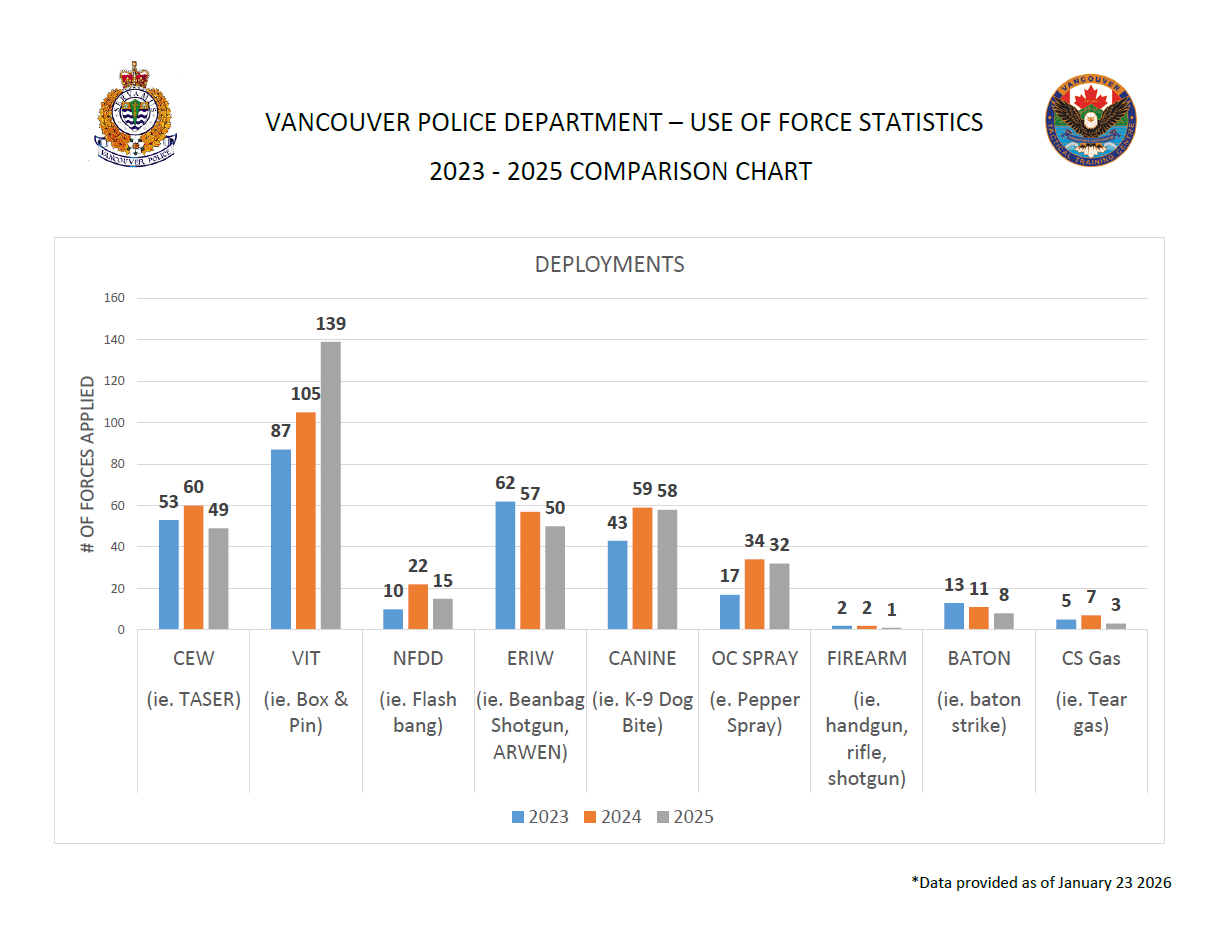
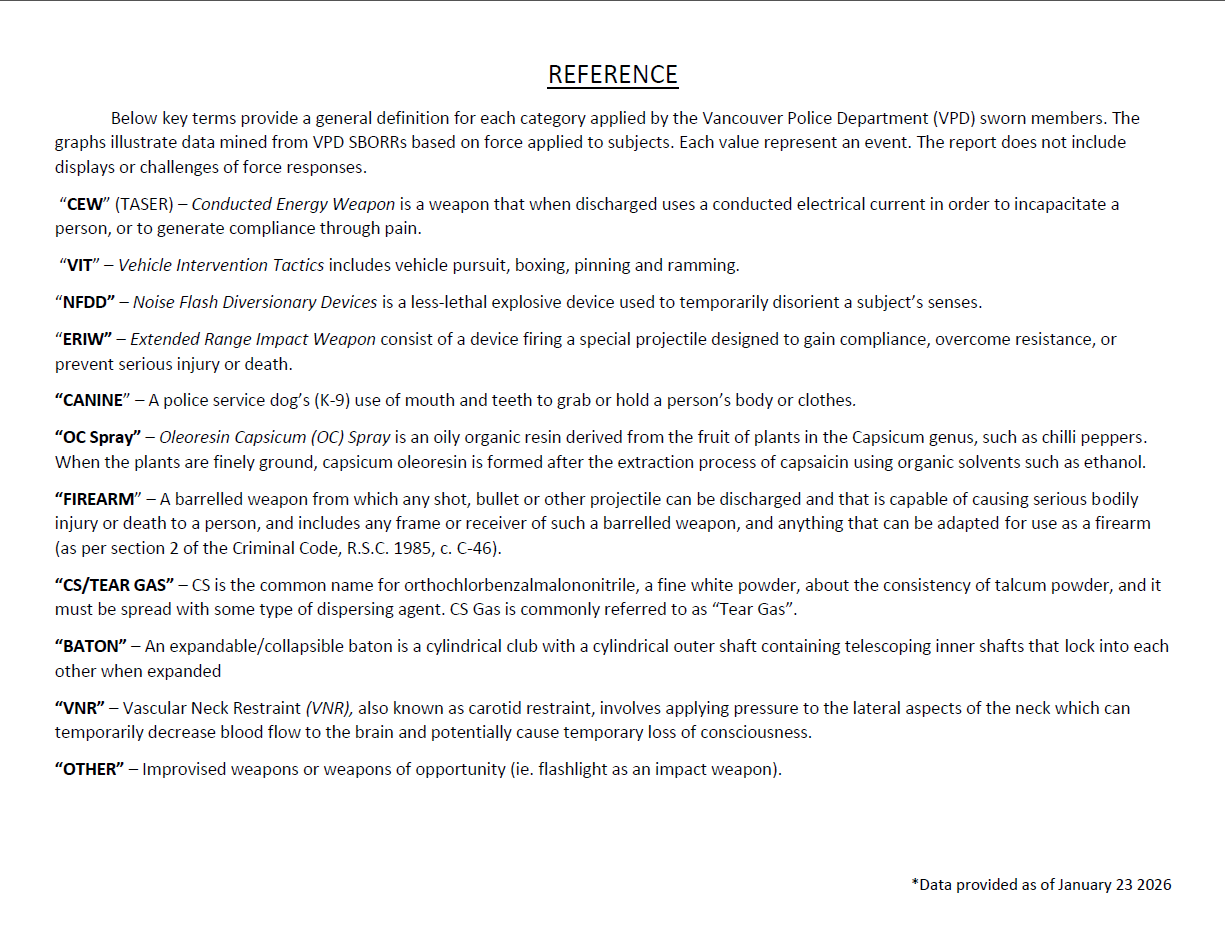
Looking ahead, Inspector Ranallo explored emerging technologies, including drones and robotics, acknowledging their potential benefits but stressing the need for robust governance, training, and clarity in their deployment. He raised important questions about the future of policing, including the idea of two-tiered roles: officers specializing in physical interventions versus those focused on other policing functions and whether current education systems adequately prepare recruits with the physical competencies required for frontline work.
Ultimately, his presentation served as a call to rebalance police training by reinvesting in physical literacy alongside technological advancement. He challenged agencies to critically evaluate their approaches, ensure that officers are equipped not just with tools, but with the skills and judgment to use them effectively, and to maintain a policing model that prioritizes capability, adaptability, and officer confidence in real-world interactions.
Best Practices for Adopting AI Tools in Policing

Best Practices for Adopting AI Tools in Policing
University of British Columbia
Professor Benjamin Perrin’s presentation explored the rapidly evolving role of artificial intelligence (AI) in policing, emphasizing both it’s potential and significant risks. He began by acknowledging that no single group currently holds all the expertise needed to guide AI adoption effectively. Instead, he advocated for interdisciplinary collaboration among legal experts, technologists, police practitioners, oversight bodies, and privacy commissioners to ensure responsible implementation in high-stakes public safety contexts.
A key concern raised throughout the presentation was the lack of independent, scientific validation of many AI tools currently being used or considered by police agencies. While some technologies have demonstrated improvements in efficiency or investigative capacity under controlled conditions, evidence of their real-world accuracy, reliability, and effectiveness remains limited. At the same time, Perrin highlighted widely documented risks including bias, errors, and privacy intrusions – many of which are not yet fully mitigated. The absence of clear, policing-specific legal frameworks and the lack of Charter-based judicial scrutiny further compound these concerns.
Professor Perrin provided practical examples to illustrate these challenges, including facial recognition technologies, automated license plate readers, and AI-assisted report-writing tools such as AXON’s Draft One, which is currently being piloted in Canada. He discussed the “verification-value paradox,” where AI-generated outputs may save time but require extensive review to ensure accuracy. Issues such as automation bias, where users assume AI outputs are correct, along with documented errors (including fabricated details or “hallucinations”), raise serious reliability and disclosure concerns. He also referenced real-world cases, such as State v. Carr (2024) and R v. J.L. (2000 SCC 51), underscoring the legal scrutiny applied to novel forms of evidence.
The presentation also examined significant privacy and ethical implications. Perrin pointed to the Clearview AI case in Canada, where billions of images were scraped without consent to create a facial recognition database – an action found to violate privacy laws. He stressed the importance of understanding how AI systems are trained, including potential biases in datasets, and questioned the legal authority underpinning the use of various databases in investigative contexts. These concerns highlight the need for transparency, accountability, and clear policy guidance.
To address these challenges, Perrin outlined emerging governance frameworks and best practices. He emphasized the importance of internal oversight mechanisms such as those being developed by the RCMP, Vancouver Police Department, and others, as well as the need for meaningful third-party oversight. Tools like Privacy Impact Assessments, Human Rights AI Impact Assessments, and transparency frameworks such as the RCMP’s National Technology Onboarding Program were highlighted as key components of responsible adoption.
In closing, Perrin stressed the importance of a precautionary, self-governed approach to AI integration in policing, supported by strong accountability measures and cross-sector collaboration. He encouraged agencies to remain focused on maintaining public trust while navigating this complex and rapidly evolving technological landscape.
Professor Benjamin Perrin’s research and case materials can be found at: https://benjaminperrin.ca/ai,