Posts by admin
Sponsorship Opportunities for the Upcoming 2019 C.A.P.E. Annual Conference
Sponsorship Opportunities for the Upcoming 2019 C.A.P.E. Annual Conference
The Canadian Association of Police Educators (CAPE) are seeking corporate sponsors for the 2019 conference in Quebec City on June 4th, 5th and 6th.
CAPE’s membership include leaders from post-secondary institutions as well as police academies and training sections from municipal, provincial and federal policing agencies.
Each year CAPE hosts a conference that allows delegates to learn about new innovations in training and education and to network with other training and education professionals. We are pleased to announce that this year’s conference theme is Connecting Research, Technology and Police Training. We are expecting over 60 delegates at the conference, which be hosted at the Hotel Purs in the centre of Quebec City.
We are happy to offer the following opportunities for corporate sponsorship.
Become a Sponsor
Interested corporate sponsors should contact Steve McCartney
Platinum Sponsor A
$2,000
- What you Get:
- Tables to display content.
- Tables will be set-up in the foyer outside the conference hall on June 4th and 5th. Tables are limited to four.
- Sponsors will also receive advertising in delegate program.
Platinum Sponsor B
$2,000
- What you Get:
- Sponsor Lunch
- Will announce that they are sponsoring the lunch and provide a five minute overview of their product.
- There are two lunches available.
- Sponsors will also receive advertising in delegate program
Gold Sponsor
$500
- What you Get:
- Provide product gift for delegate package.
- Will announce that they are sponsoring the lunch and provide a five minute overview of their product.
- There are two lunches available.
- Sponsors will also receive advertising in delegate program.
Bronze Sponsor
$350
- What you Get:
- Advertisement in the delegate program.
2018 Conference Resources
C.A.P.E. 2018 Conference | Resources
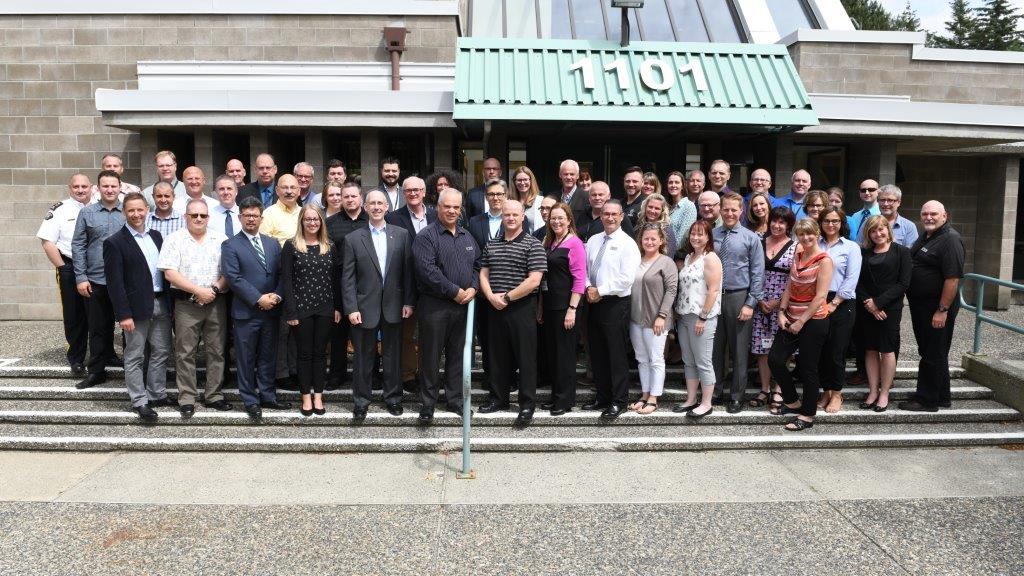
2018 Conference | Pracademics – Bridging the Gap Between Academia & Police Training
C.A.P.E. 2018 Conference | Pracademics – Bridging the Gap Between Academia & Police Training
Pracademics
Bridging the Gap Between Academia & Police Training
Location: Chilliwack, British Columbia
Date: June 25 – 29
Conference Details
Location
Accomodations
Reservations for the CAPE Conference 2018 are available to reserve from June 25, 2018 – June 29, 2018.
Price is $138.60 tax inclusive, includes meals beginning with dinner on the day of arrival to lunch on the day of departure.
Check-in time is 4 pm; check out is 12 pm. You must cancel your reservation 48 hours prior to the day of arrival to avoid the penalty of one-night room and tax charged to your credit card.
Problem Based Learning – Upcoming Certification
Problem Based Learning Certification
Registration Form More Information
Problem Based Learning (PBL) is a state-of-the-art educational approach originally used by medical school. PBL is emerging as the most dynamic and engaging form of learning for officers of all ranks. This intensive, one-of-a-kind, 10-day course is described as one of the most challenging courses in policing today. PBL is student based and uses real life problems to help students learn how to solve problems and think in creative ways. Successful candidates will be certified PLB instructors joining an elite group of police educators centered at the Police Society for Problem Based Learning.
May 8-19, 2017
8:30 a.m. – 4:30 p.m.
Canadian Military Police Academy
CFB Borden
Borden, ON
L0M 1C0
To register, please email, fax or mail the registration form with payment method.
For more information:
Tel: 204.728.8730
Toll Free: 800.862.6307 ext 6072
E-mail: hhs@assiniboine.net
1430 Victoria Avenue East
Brandon, MB, Canada R7A 2A9
Problem Based Learning (PBL) is a state-of-the-art educational approach originally used by medical schools. PBL has emerged as a dynamic and engaging form of learning. This 10-day course is learner focused, built upon the “ill-structured problem” and provides instructors with practical applications of how to engage students in problem solving, critical thinking and team work.
The sessions will consist of full days with group assignments and required evening work. There is also an online pre-course assignment and a field exercise that must be completed prior to the start of the course.
On successful completion of this course, candidates will receive certification as problem based learning instructors.
You Will Learn
- How to use PBL to help students self-discover course materials and take ownership of their own learning.
- How to use the tools of Police PBL: the ill-structured problem, the cohort learning group, tutoring and mentoring, emotional intelligence, and the evaluation rubric.
How to encourage students to think creatively and think on their feet in a competent and confident manner. - How to coach students to resolve neighbourhood problems in collaboration with the community.
- How to help police recruits become confident, safe and ethical officers.
Who Should Attend
- Academy instructors and managers
- Field training officers and patrol supervisors
- Educators in criminal justices and policing
Facilitators:
Withdrawal Policy
Should a course candidate need to withdraw from this course, they will be granted a refund of tuition based on the following timeline:
- Six weeks or more of notice – full tuition refund
- More than two weeks, less than six weeks – one-half of the full tuition
- Less than two weeks notice – no refund of the tuition
2017 Conference | Transforming Canada’s Police Training and Education
Atlantic Police Academy Presents
C.A.P.E. 2017 Transforming Canada’s Police Training and Education
![<![CDATA[]]>](http://www.cape-educators.ca/wp-content/uploads/2016/09/conference_2017-1.jpg "Transforming Canada's Police Training and Education - CAPE 2017 Conference")
Engage, Inform and Advocate
Date: June 12 - 16
In the past several decades Canada has an established reputation as having a “system” of police and public safety that is considered to be amongst the best in the world. This is a most significant accomplishment given Canada’s has a complex multi-layered System of governance. In Canada the Federal, Provincial and Local Governments as well as First Nations all have significant roles and responsibilities when it comes to police and Public safety.
However in most recent years the “dynamics” of a rapidly changing world combined with unprecedented threats to public safety has raised the alarm that our prized System of Policing will not be sustainable. When one considers “policing” must take into account the competing Government priorities of Health Care, Education, Environment, and crumbling Infrastructure it becomes obvious the “pressure to deliver more with less” will only increase in the years ahead. The challenge to all Police leaders becomes even more daunting when we take into account the borderless nature of the crimes we are expected to prevent or solve.
There is no blueprint for moving forward and given the wicked daily demands on police leaders there is scarcity time to reflect and consider our “next steps”.
It is the desire of CAPE that the 2017 Conference will accomplish (2) objectives. First as always is to provide an environment to renew, refresh working relationships with Police Trainers and Educators from across Canada. Secondly is to provide an important opportunity to Engage, Inform and Advocate on what we believe are the key elements in a blueprint for Transformative Change.
For more information please contact Wayne Jacobsen at JacobseW@assiniboine.net.
Registration fee: $500
Register by Thursday June 1, 2017.
Registration must be received by Thursday June 1, 2017. The conference is expected to sellout, however, and some events have maximum capacities. Please submit the form, attached to this article, before the deadline.
The registration form will be available in February 2017 on the C.A.P.E. website: www.cape-educators.ca.
Conference: Monday, June 12 2017 18:30 – Friday, June 16 2017 10:15
We would appreciate if you could provide us with your arrival dates and times to the Charlottetown Airport.
Registration Includes
– Wine & Cheese reception at the Meet & Greet Monday evening
– Daily morning and afternoon refreshment breaks
– Lunches on Tuesday, Wednesday and Thursday
– Banquet Thursday evening
Location
Conference Details
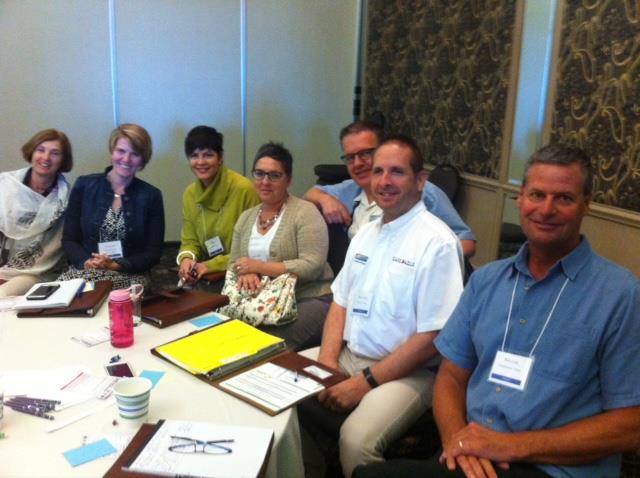
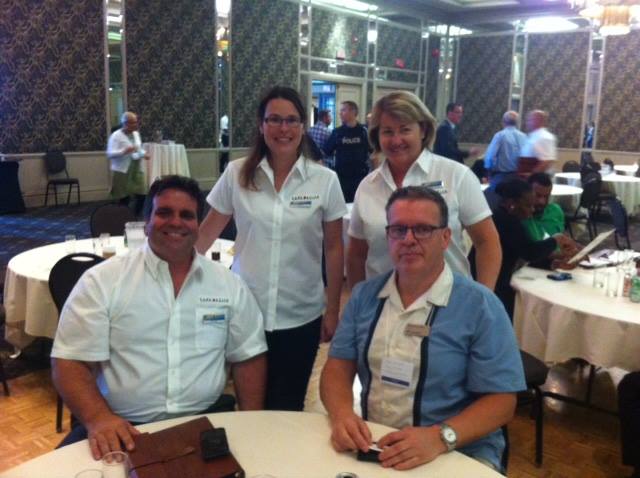
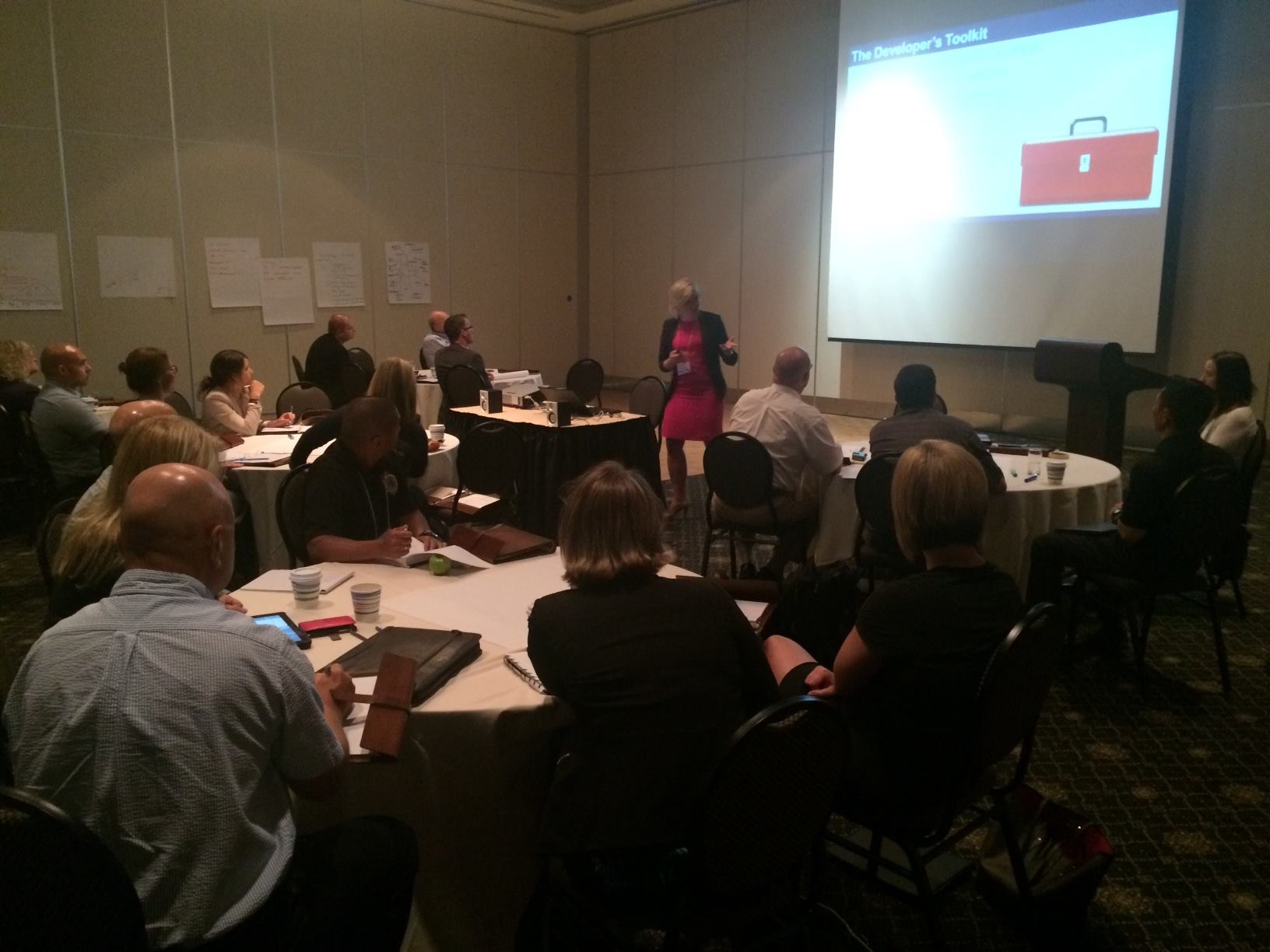
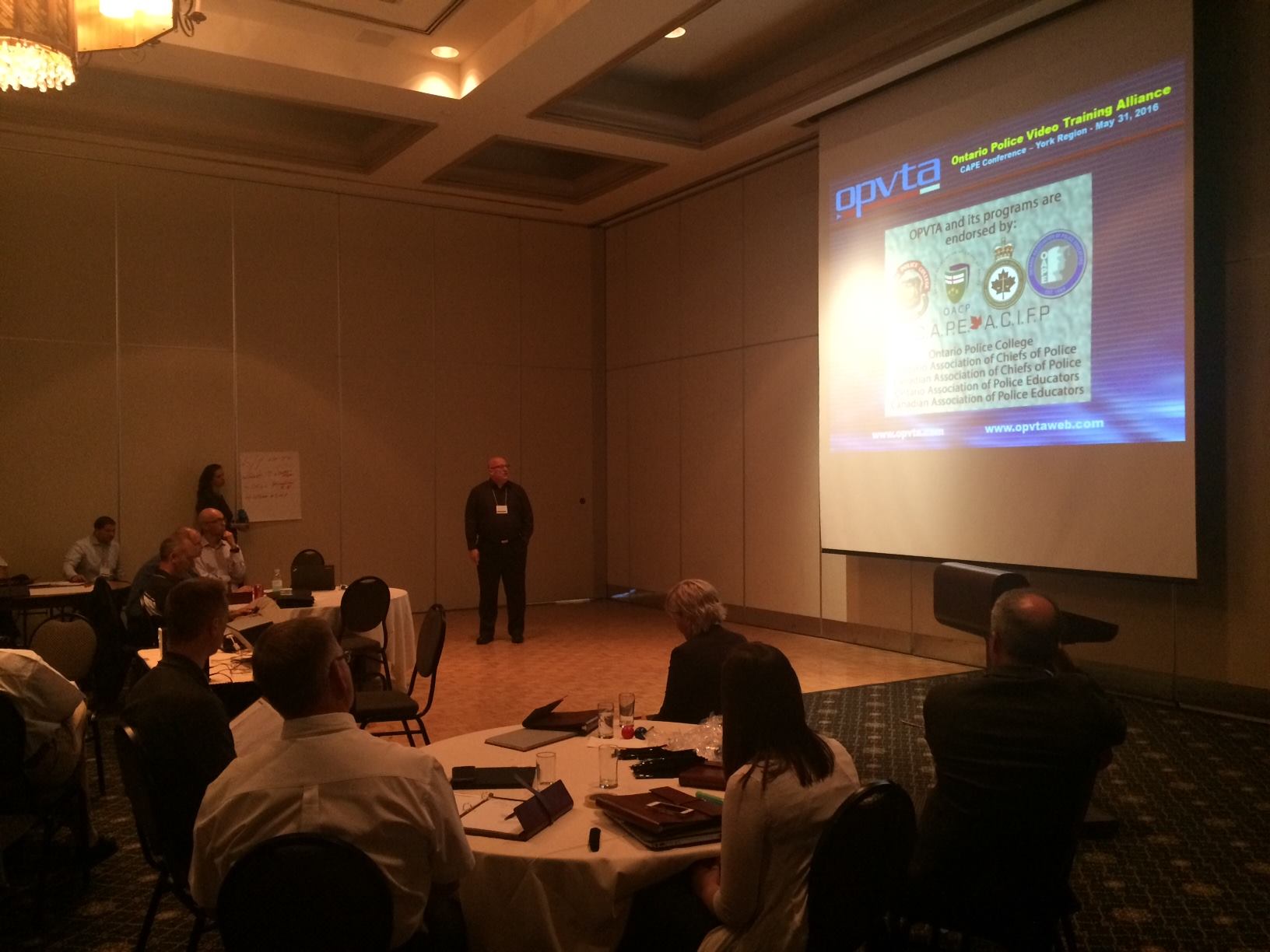
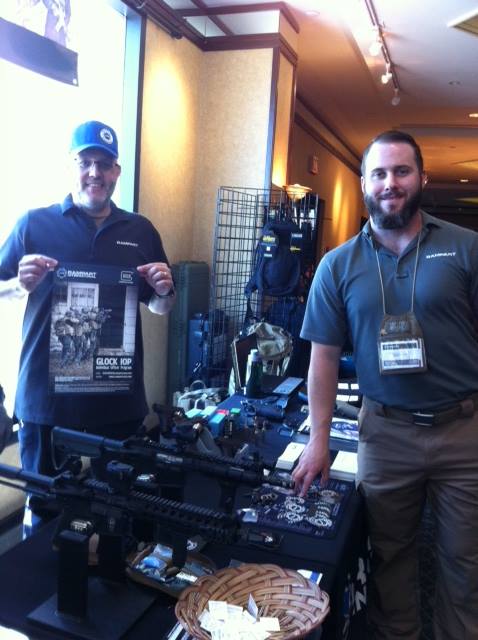
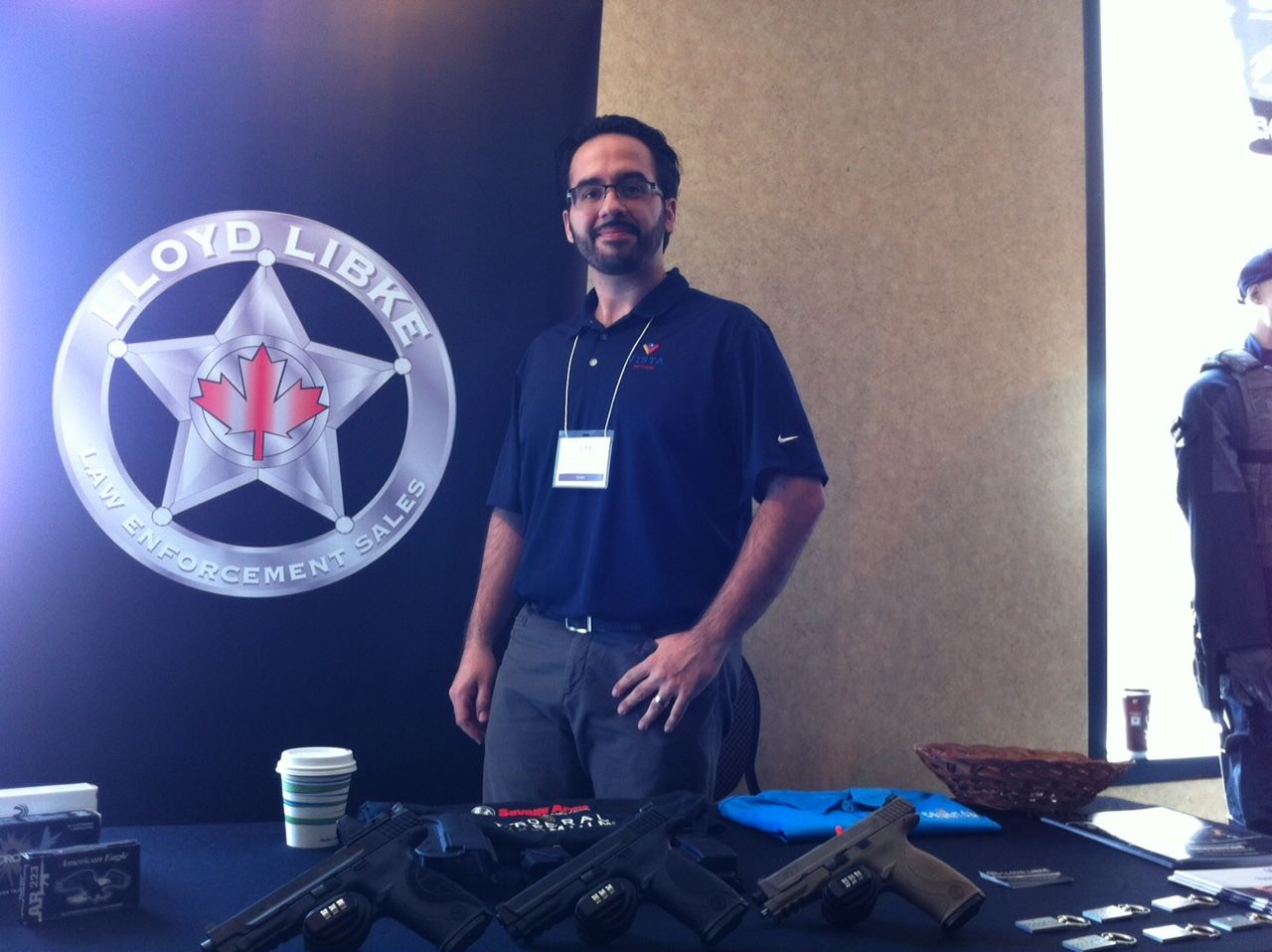
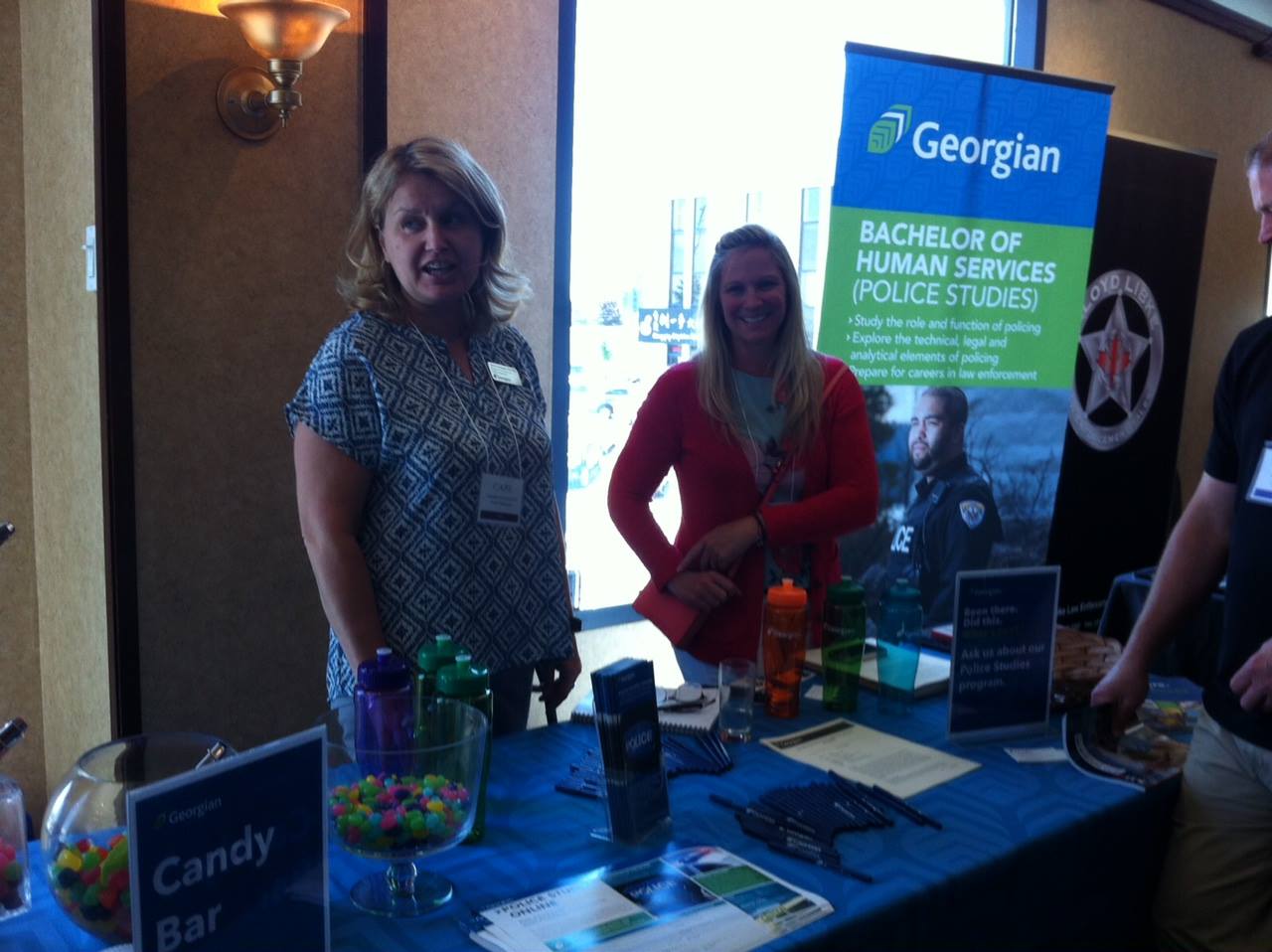
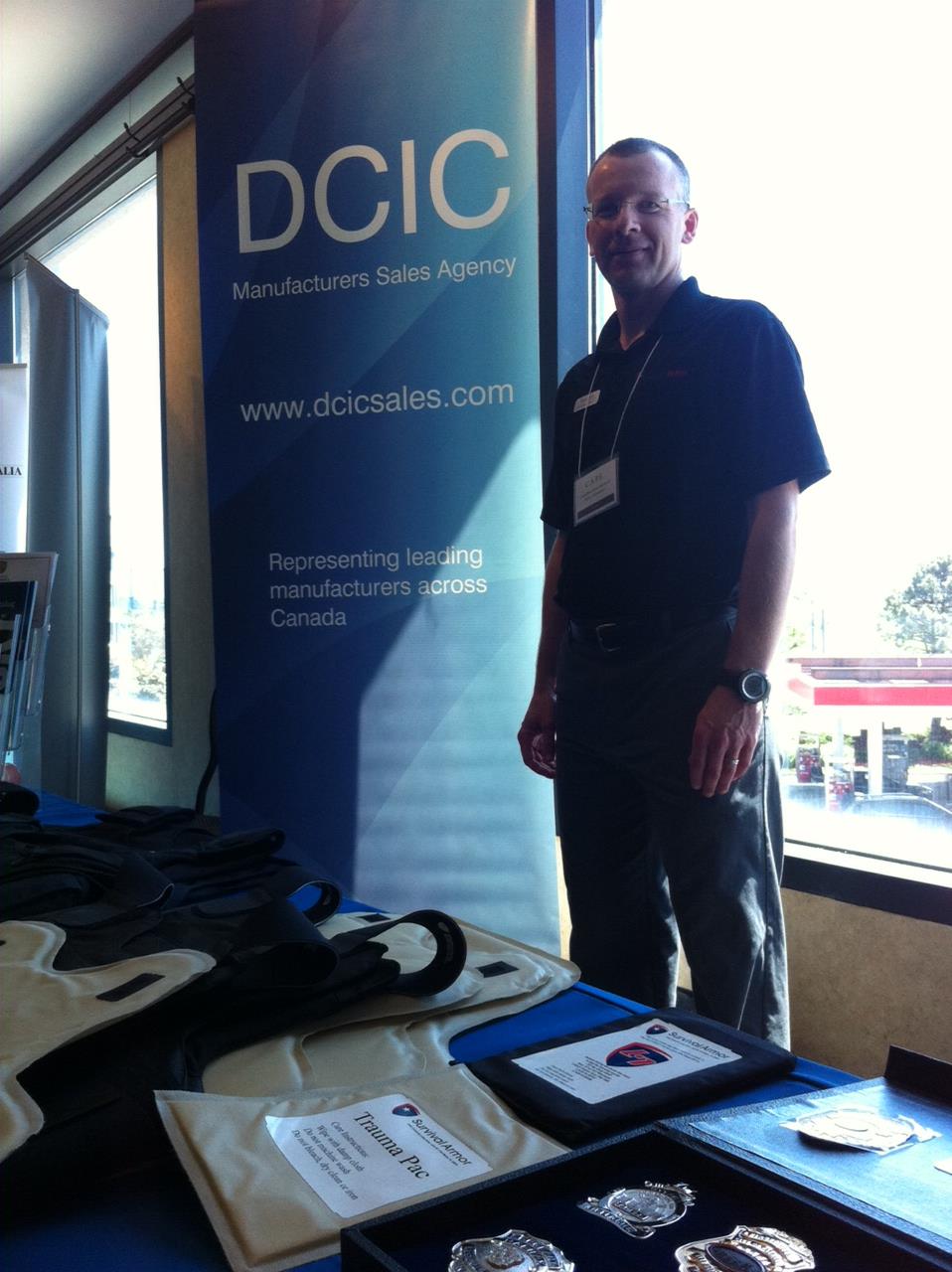
C.A.P.E. 2016 Conference Image Galleries

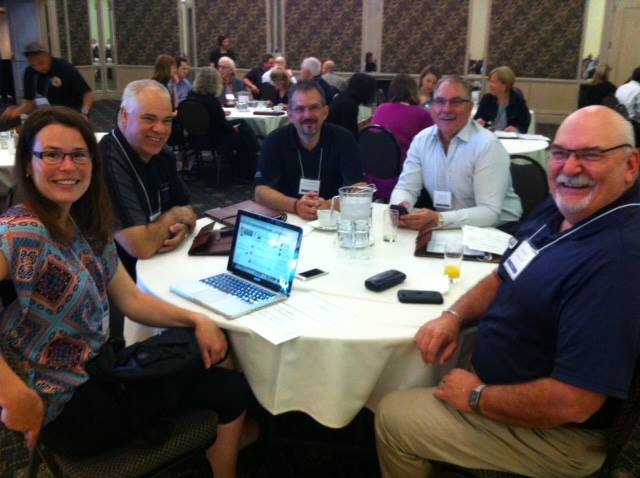
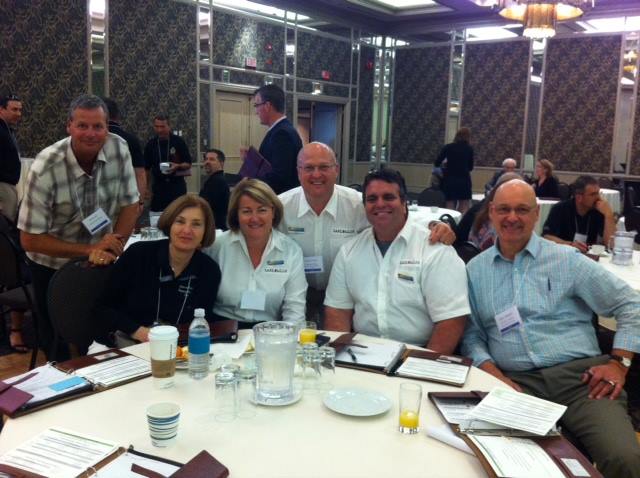
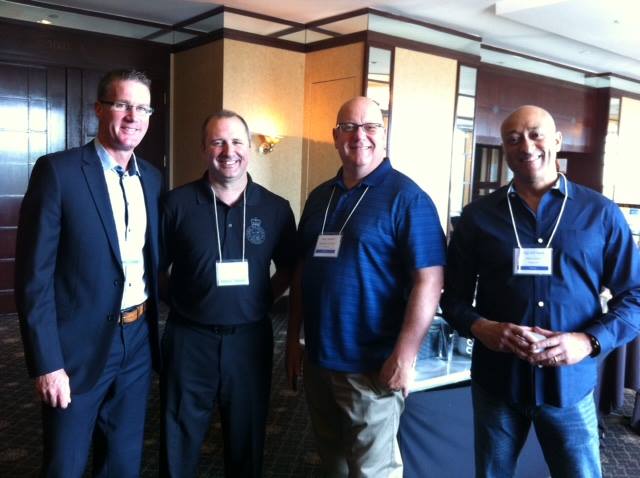
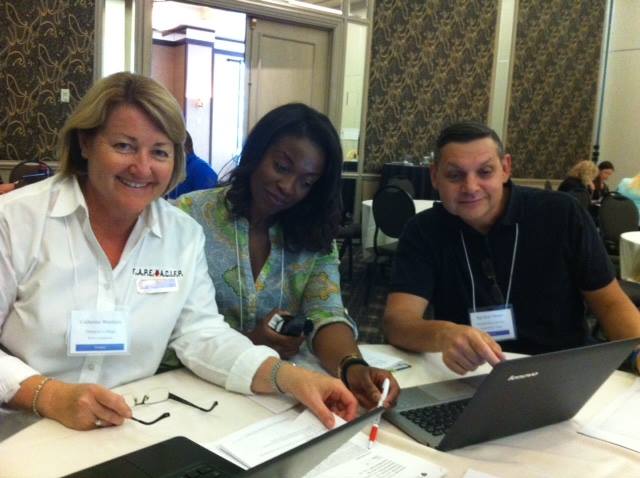


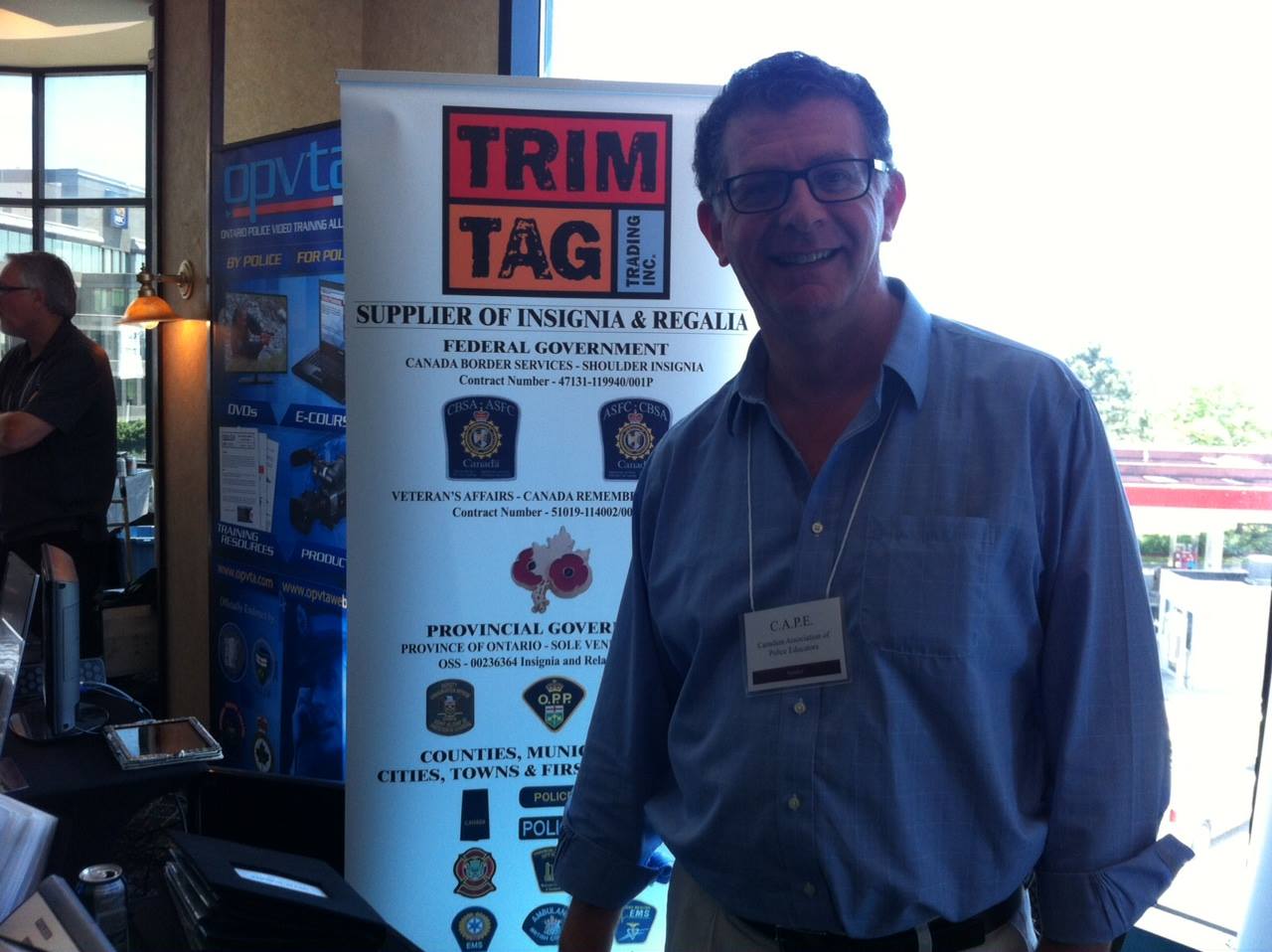

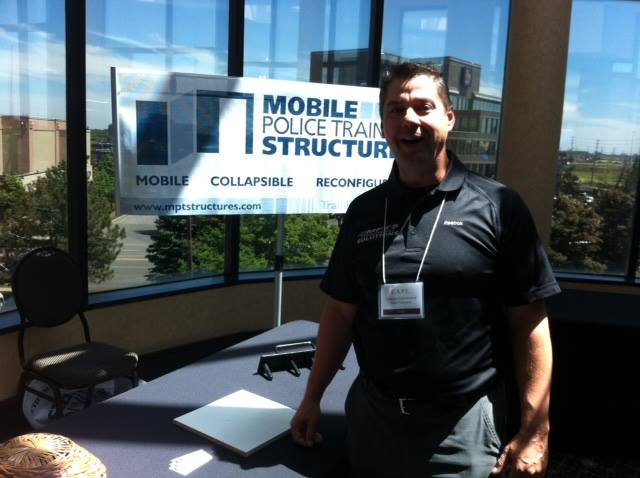
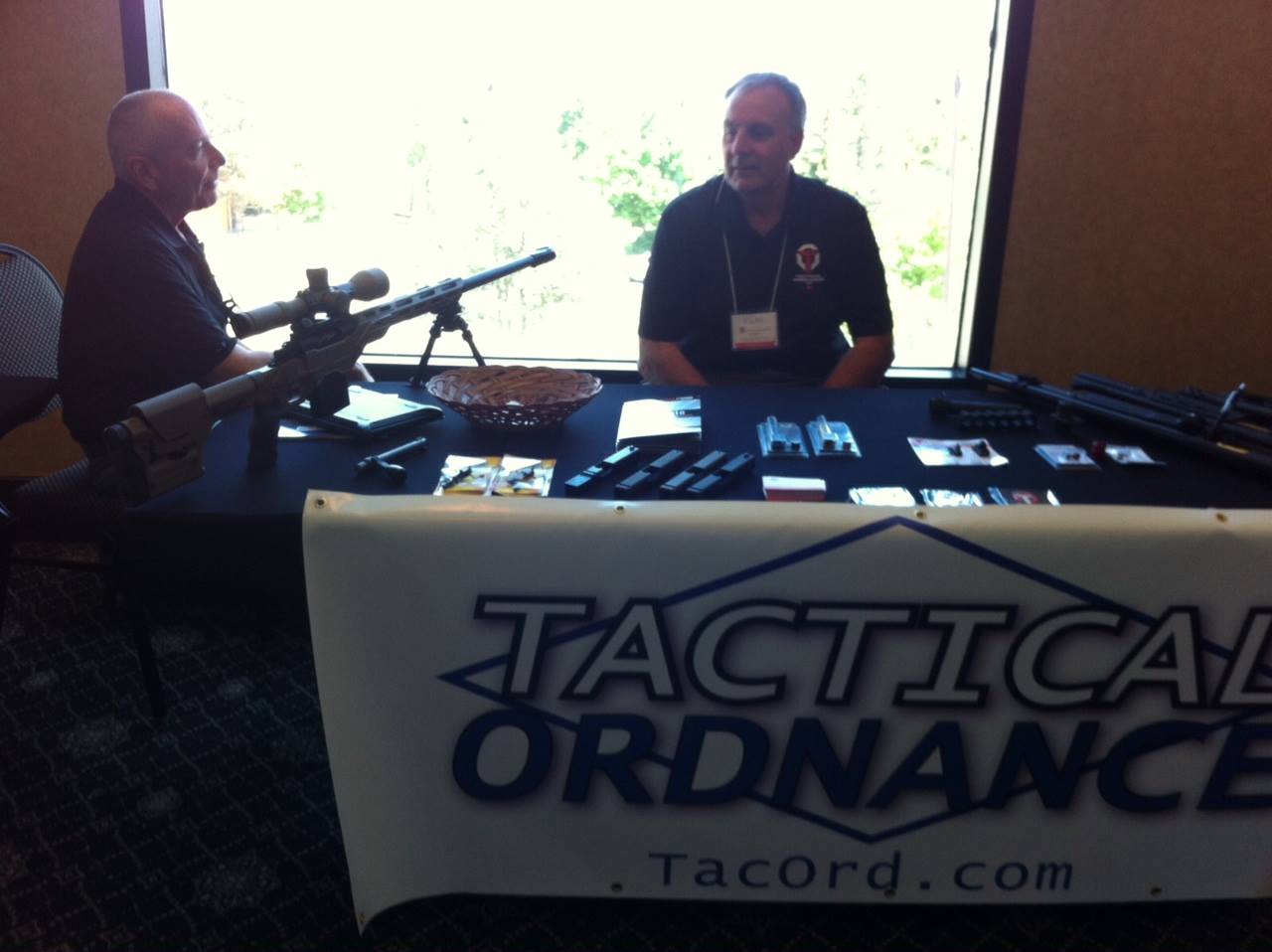

Looking for Instructor
Centre for Justice & Human Services
School of Justice Studies – Policing
Full-Time Continuing Competition No. 16-047
Lethbridge College has provided innovative and comprehensive educational programs for over 50 years, promoting excellence in teaching and applied research. Lethbridge College is a dynamic and progressive post- secondary institution, helping students to achieve their career and educational goals.
The Centre for Justice and Human Services is currently seeking a highly motivated, flexible, innovative individual to join our Justice Studies Policing faculty team, prior to the 2016 fall term.
The ideal candidate will have extensive experience and knowledge in a diverse range of leading edge policing practices, with the ability to bring this information to the classroom. The successful applicant will instruct a variety of courses in the Policing program both at the Diploma and Degree level. As a member of the School of Justice Studies instructional team, faculty participate in a collaborative teaching environment, curriculum and course development and may instruct online courses. Faculty are responsible for student evaluation and progress, and to participate in program and college level committees, as well as applied research.
An overview of the Justice Studies programs and course descriptions may be viewed at www.lethbridgecollege.ca.
- Master’s degree in Justice/Criminology or a related field is preferred
- A Bachelor’s degree (if currently enrolled in a Master’s degree program may be considered)
- Related Diploma and extensive policing experience may be considered
- Minimum 10 years’ experience in a broad range of policing activities
- Previous instructional experience in a post-secondary setting preferred
- A commitment to evaluating and applying effective teaching and learning practices
- Experience which reflects varied and increasing levels of responsibility is beneficial
- Excellent organizational, and communication skills and comfortable with technology in the classroom
2016 Conference | Research, Instructional Design, Interactive Academics and Practical Skills
York Regional Police Presents
C.A.P.E. 2016 Conference
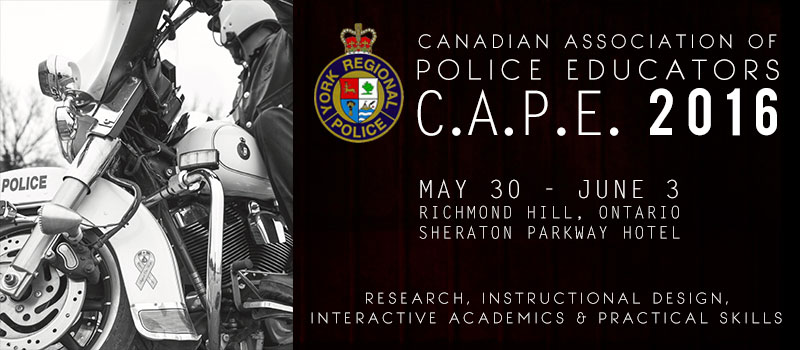
Conference Details
2015 Conference | Effective and Defensible Training Through Collaboration
C.A.P.E. 2015 Conference | Effective and Defensible Training Through Collaboration
![<![CDATA[]]>](http://www.cape-educators.ca/wp-content/uploads/2015/01/conference2015thankyou.jpg "conference2015thankyou")
Thanks to all who participated in the 2015 BC CAPE Conference! You contributed to its success.
I have posted photos from the conference to share with you. Feel free to copy photos of beautiful BC but don’t wait too long. The photos will be removed from this website June 30.
Catherine Wareham
CAPE Secretary
For more information please contact Wayne Jacobsen at JacobseW@assiniboine.net.
In the changing landscape of police training many agencies are stretching their resources to do more with less. The goal of this year’s CAPE conference is to promote discussion on hot topics in police training, highlighting collaboration as a mechanism to achieve effective and defensible training within the current economic climate.
Sessions at the conference are designed to be short, fast-paced presentations followed by facilitated group discussions, panel discussions, or question and answer sessions with panelists to promote interaction and critical thinking. Innovations in police training in BC will be showcased throughout the conference and scheduled updates from various organizations and committees will promote collaboration.
Conference Details
Pre-CAPE Curriculum Mapping Workshop
Curriculum mapping:
With limited time and resources, it is crucial that training is targeted to the core knowledge, skills, and attitudes that our learners must develop. Mapping training programs to The Police Sector Council National Framework of Competencies, which are based on research and collaboration from agencies across the country, provides a means to ensure that police training is meeting these core needs. It also provides a framework for comparing and assessing programs to eliminate unintentional redundancy and ensure that the impact of training dollars is maximized. Finally, a well-developed curriculum map will enhance learner performance by highlighting how the learning activities and assessment practices are expected to lead to the program outcomes.
Workshop goals:
The goal of this workshop is to facilitate mapping of police training curricula to the Police Sector Council National Competency Framework. Workshop activities will be tailored to individual departments’ needs through pre-workshop analysis, ‘homework’, and in-workshop group collaboration. Participants will work independently and in groups to critically assess their program outcomes and to map these outcomes to the Competency Framework. Prior to the workshop, participants will work with their local instructors/SMEs to complete a task map that will be used to validate their high level competency map. The group will explore the next level of curriculum mapping and participants will develop a plan to map to the level of individual sessions. Individual session maps may be completed during the workshop, depending on the size of the program. Registrants should expect to begin submitting material approximately one month prior to the workshop date.
Outcomes:
By the end of the session, participants will:
- Identify the curriculum mapping needs of their training section/program.
- Generate, at minimum, a validated high-level competency map of their selected program.
- Develop and implement a plan for mapping their curriculum at the individual session level. (Smaller programs may complete this map during the session.)
General Details
A limited-capacity pre-CAPE workshop on curriculum mapping will be offered where participants will work directly with the BC Police Academy Curriculum Developer to map their curriculum to the Police Sector Council National Framework of Competencies.
There will be opportunities to network and exchange ideas in an informal setting.
The pre-CAPE workshop will be held at BC Police Academy, located at the Justice Institute of British Columbia, New Westminster BC, on Tuesday May 19, 2015.
Conference will be held at the BC Police Academy, located at the Justice Institute of British Columbia, New Westminster BC. from Wednesday May 20 – Friday May 22, 2015.
OAPE 2015 Course
OAPE 2015 | Mexican Drug Cartel Course
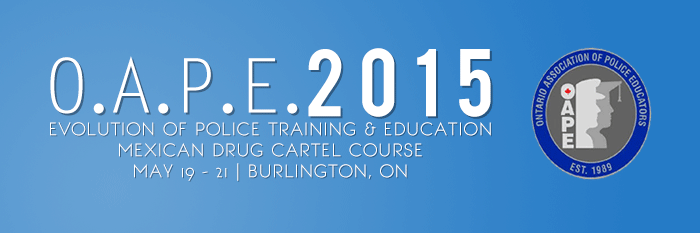
26 Years of the Ontario Association of Police Educators
The students attending this course will learn the true inner-workings of Mexican Drug Cartels. This will assist the students in the identification of Mexican Drug Cartel distribution cells operating in their perspective communities.
The students will learn techniques to conduct financial investigations into Mexican Drug Cartels. The students will learn which financial institutions can further assist their investigations. Contact information for various financial institutions will be provided
The students will learn how to build a multi-defendant conspiracy targeting drug cartels, using a variety of investigative techniques that include undercover operations, uses of informants, and wiretaps. The students will learn how properly present cases to Federal Grand Juries.
The students will learn how to determine which Cartels are connected to Hispanic street gangs in their communities.
The students will learn techniques to combat the violent activities utilized by Mexican Drug Cartels.
After completing this three day training course, the students will learn to utilize all available resources seize larger quantities of narcotics, U.S. currency, and assets tied to Mexican Drug Cartels.
Activities
OAPE will be hosting a welcome meet and greet at Emma’s Back Porch on Lakeshore Blvd. on May 19th, 2015 beginning at the conclusion of the training day. This venue is located within walking distance of the hotel and a 5 minute drive from the training location.
Our instructor
Byron Boston
The information presented is based on the instructor’s unique experience in conducting long-term undercover operations, wiretap intercepts, and debriefings of suspects directly linked to various Mexican Drug Cartels.